
Digital campaign management: 5 Steps Demystified
Why Digital Campaign Management is Your Business’s Secret Weapon
Digital campaign management is the process of planning, executing, and optimizing marketing initiatives across digital channels to achieve specific business goals. Effective management involves strategic planning with clear goals, multi-channel execution across platforms like social media and search engines, and real-time optimization using performance data to maximize ROI.
The numbers tell a clear story. Research shows a strong link between marketing activities and business impact is a key differentiator for successful companies. Yet many businesses struggle with underperforming campaigns and difficulty measuring real results.
The digital marketing landscape is evolving rapidly, with the global MarTech market projected to grow significantly. This explosion of tools creates both opportunities and challenges. Without proper digital campaign management, companies risk wasting budgets and missing opportunities. With the right approach, however, businesses can achieve remarkable results, such as a 61% reduction in lead response time.
I’m Guy Leon, founder and CEO of Guac Digital. We’ve helped clients achieve a 350% boost in engagement and conversion rates through strategic digital campaign management. I’ve seen how the right systems can transform scattered marketing efforts into revenue-driving machines.

Foundations: What is Digital Campaign Management and Why It Matters
Digital campaign management encompasses all the planning, execution, and optimization activities of a marketing campaign. It involves coordinating multiple elements to ensure a cohesive message reaches the target audience, breaking down broad business goals into actionable tasks.
The fast-changing nature of digital marketing necessitates continuous learning. What worked two years ago might not work today, making structured digital campaign management crucial. Poorly managed campaigns lead to wasted budgets and inconsistent messaging, while effective management brings significant benefits.
The Core Components of Effective Digital Campaign Management
Successful digital campaign management relies on a set of core components:
- Campaign Objectives and KPIs: Every campaign begins with SMART (Specific, Measurable, Achievable, Relevant, Time-bound) goals, such as increasing brand awareness or acquiring new customers. These are tied to Key Performance Indicators (KPIs) like conversion rates or return on ad spend (ROAS).
- Audience Research and Segmentation: Understanding the audience is paramount. We research their motivations, behaviors, and pain points to segment them precisely, ensuring our messages resonate.
- Budgeting and Resource Allocation: This involves dynamically allocating the budget across channels based on performance, ensuring resources are used for the highest impact.
- Content Creation and Personalization: We craft compelling, personalized content for different audience segments to increase relevance and engagement.
- Channel Selection: We choose the optimal mix of digital channels (social media, search, email) that align with campaign goals and audience behavior.
- Performance Tracking and Optimization: We continuously monitor campaign performance using analytics to make data-driven decisions, allowing us to optimize bids, refine messaging, and reallocate budgets to maximize results.
For a deeper dive into how data drives our strategies, explore our guide on Data-Driven Campaign Management.
The Business Impact: From Increased ROI to Brand Loyalty
Effective digital campaign management directly impacts the bottom line:
- Optimized Budget Allocation: Real-time performance tracking allows us to shift spend to high-performing channels, preventing wasted budget.
- Increased Campaign Success: Clear goals and continuous optimization lead to better conversions and overall success.
- Improved Team Collaboration: Centralized management software streamlines workflows and ensures everyone is on the same page.
- Data-Driven Decision-Making: Decisions are backed by hard data, leading to more predictable outcomes.
- Improved Brand Consistency: Managing all elements from a central hub ensures a consistent brand message across all channels.
- Scalability and Agility: We can scale efforts up or down quickly, adapting to market changes.
- Greater Customer Loyalty: Well-executed, personalized campaigns build stronger customer relationships.
To understand how we help businesses achieve these results, check out Maximizing ROI with a Digital Marketing Agency.
The Campaign Lifecycle: A Step-by-Step Guide from Plan to Profit
A digital marketing campaign is a journey that requires careful planning, smart execution, and constant course corrections to reach your destination: profitable growth. Digital campaign management follows a structured, cyclical process that turns marketing into a predictable revenue driver.
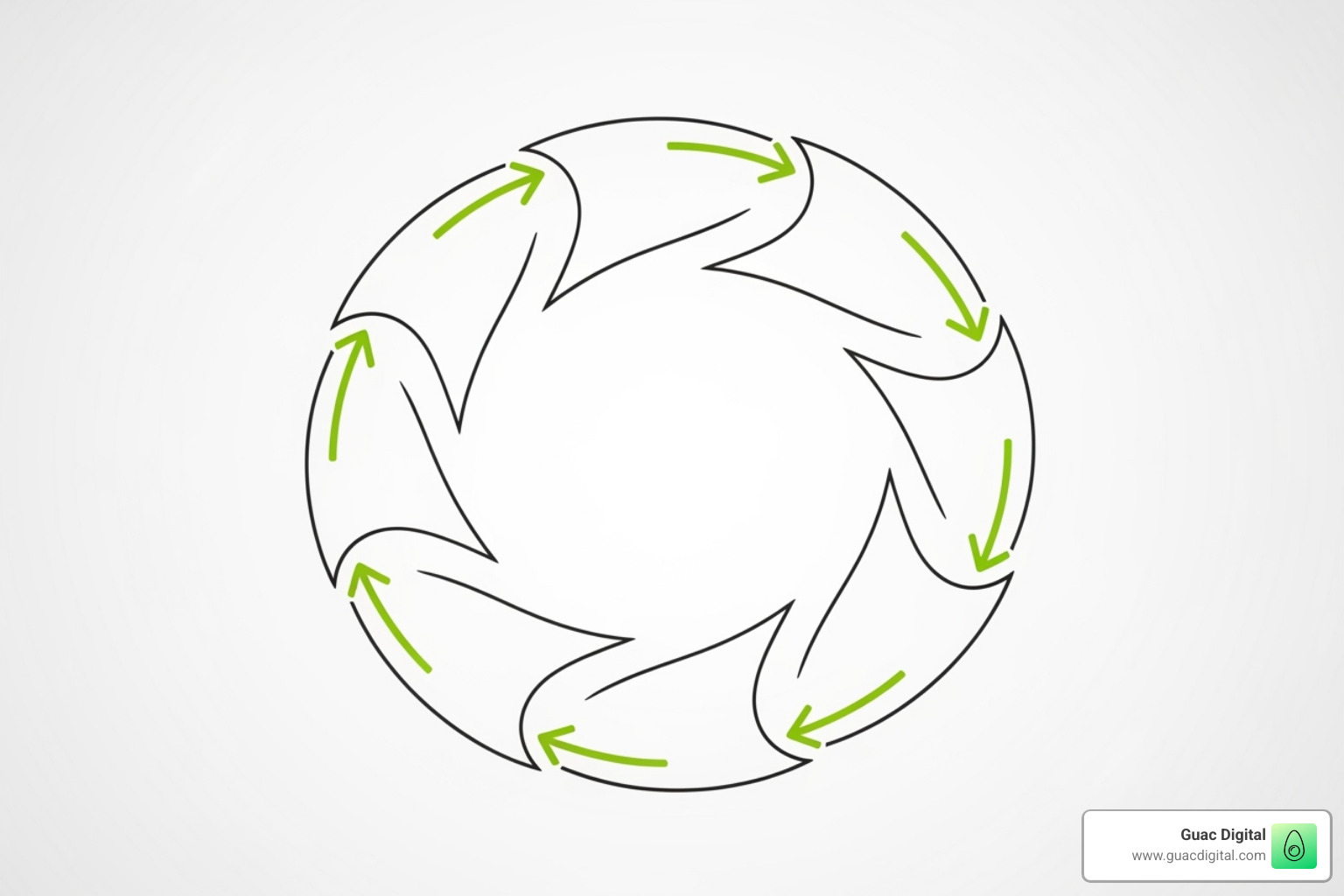
Our approach follows a five-step lifecycle that emphasizes strong project management principles, uses a comprehensive marketing calendar, and leverages cross-channel strategy coordination. Throughout each phase, we’re constantly running A/B testing to refine our approach and maximize performance.
Step 1: Strategic Planning & Goal Setting
Every successful campaign starts with a clear answer to the question: “What are we trying to achieve?” We establish SMART goals, such as “increase online sales by 25% in 90 days,” to provide a concrete target. These objectives must align with broader business goals, whether it’s brand awareness, lead generation, or customer retention. We also define key metrics upfront, like Customer Acquisition Cost (CAC) or Return on Ad Spend (ROAS), to measure success. To set realistic expectations, see our guide on What is a Good ROI for Marketing?.
Step 2: Audience Research & Segmentation
Once we know our goal, we must understand who we’re talking to. We develop detailed target personas that go beyond basic demographics to include motivations, challenges, and online habits. We analyze behavioral data from website interactions and social media activity to see what our audience actually does. Using social listening, we monitor online conversations to uncover unfiltered pain points and opportunities. Finally, we use this data for segmentation, grouping the audience to deliver hyper-relevant messages.
Step 3: Creative Development & Channel Strategy
This step brings the strategy to life. We develop a compelling narrative that connects with our audience and communicates our value proposition. This story guides all content creation, from engaging video content and informative blog posts to eye-catching social media visuals. We also leverage user-generated content (UGC) for authenticity. For channel selection, we choose the right mix of owned media (website, blog), earned media (PR, reviews), and paid media (search, social ads) to reach our audience at the right moments.
Step 4: Execution & Cross-Channel Coordination
This is where planning becomes action. Cross-channel coordination is critical, ensuring that content is scheduled and launched in a synchronized manner across all platforms. For example, paid ads must align with organic content and email sends. Team collaboration is managed through robust project management platforms to keep everyone aligned on deadlines and deliverables. We maintain consistent messaging across every customer touchpoint to build trust. Personalization is key, as we serve different ad creatives and content based on audience segments and past behavior.
Step 5: Performance Tracking & Real-Time Optimization
Launching a campaign is just the beginning. We use analytics dashboards as our mission control, providing real-time visibility into the KPIs defined in Step 1. We constantly monitor KPIs like conversion rates and CAC, allowing us to react quickly to performance trends. Insights from A/B testing results inform our optimization decisions for everything from ad creative to landing pages. This data-driven approach allows for dynamic budget reallocation, shifting funds to the highest-performing tactics. Finally, campaign reporting tells the story of what happened and why, providing lessons that make future campaigns even better. Learn the frameworks we use in our guide on How to Calculate Digital Marketing ROI.
The Modern Toolkit: Tools and Software for Campaign Managers
Running a modern digital campaign management operation without the right tools is nearly impossible. A solid MarTech stack is essential for turning scattered efforts into streamlined success. The best campaign management software creates a “marketing orchestra” where every tool works in harmony.
When building a MarTech stack, we focus on three principles: integration (tools communicate with each other), automation (handling repetitive tasks), and scalability (it grows with your business).
Essential Tool Categories for Modern Marketers
There is no single tool that does everything perfectly. Instead, we build a “best-of-breed ecosystem” with carefully selected tools for specific functions:
- Project Management Tools: Platforms like Trello, Monday.com, and Teamwork.com act as a campaign’s central nervous system, tracking progress and keeping teams aligned.
- Analytics Platforms: Google Analytics and Adobe Analytics transform raw data into actionable insights that drive smart decisions.
- Marketing Automation Solutions: Tools like HubSpot and Mailchimp nurture leads, freeing up your team to focus on strategy.
- Social Media Scheduling Tools: Hootsuite and Buffer help maintain a consistent brand voice across platforms and provide engagement insights.
- Content Management Systems: WordPress and HubSpot simplify the process of creating and publishing content.
How to Choose the Right Digital Campaign Management Software
Choosing the right software requires careful consideration. Start by clarifying your business needs, whether it’s lead generation, brand awareness, or customer retention. Consider the total budget, including setup and training costs. Ensure the solution has scalability to grow with your business and integration capabilities to sync with your CRM and other systems. Finally, prioritize user-friendliness; a powerful tool is useless if your team can’t use it effectively.
The Power of Programmatic Advertising Platforms
Programmatic advertising is the cutting edge of digital campaign management. It uses AI to buy ad space, analyze audience data, and optimize campaigns with superhuman speed. Real-time bidding (RTB) allows for instant ad auctions when a user visits a webpage.
Data Management Platforms (DMPs) organize audience information, while Demand-Side Platforms (DSPs) use that data to place bids and manage campaigns. This precision allows us to deliver the right message to the right person at the right moment, dramatically improving ROI. For businesses ready to leverage this technology, programmatic advertising offers unparalleled efficiency. Learn more in our guide on Programmatic Advertising Explained.
Learning from the Best: Successful Campaign Case Studies
The best way to master digital campaign management is to learn from campaigns that achieved legendary status. These campaigns combine powerful storytelling, emotional connection, and authenticity to create messages that people feel compelled to share.

Let’s explore some campaigns that became cultural phenomena.
Leveraging Cultural Influence in Campaigns
McDonald’s – The BTS Meal
McDonald’s collaboration with the K-pop group BTS was a masterclass in influencer marketing. The concept was simple: a meal curated by the band with two new sauces. But McDonald’s wasn’t just selling food; it was selling a piece of the BTS experience to their massive global fanbase, the “ARMY.” The campaign generated approximately 11.5 million social media mentions and, in South Korea, McNuggets sales jumped 250%. The key was authenticity; McDonald’s created a bridge to a passionate fan culture rather than trying to manufacture one. The lesson: genuinely connecting with a cultural phenomenon yields explosive results. See the full campaign example and analysis.
Building a Movement with Authenticity
Dove – Project #ShowUs
Dove addressed the fact that 70% of women felt unrepresented in media by creating Project #ShowUs. They partnered with Getty Images to build the world’s largest stock photo library created by and featuring real, diverse women. Instead of a traditional ad campaign, they created a resource for the entire industry, amplifying their impact. This user-generated content (UGC) strategy resulted in authentic visuals that resonated deeply. The campaign achieved 100% positive brand sentiment and built a library of over 10,000 photos. The takeaway: when a brand genuinely commits to a social mission with real action, it can build a powerful movement. See the campaign details.
Masterclass in Sustainable Branding
Allbirds – FutureCraft.Footprint
To combat skepticism around “greenwashing,” Allbirds partnered with competitor Adidas to create the FutureCraft.Footprint shoe. In an act of radical transparency, they shared their sustainable manufacturing methods to create a performance shoe with an ultra-low carbon footprint. Instead of vague claims, they provided specific data: the shoe has a carbon footprint of only 2.94 kg CO₂e per pair. This transparency built trust with eco-conscious consumers who value brand ethics. The lesson: brands that commit to sustainability with verifiable data can build incredible loyalty. Sometimes, proving your commitment is more powerful than protecting trade secrets. Learn more about this collaboration example.
The Future is Now: AI and Automation in Digital Campaign Management
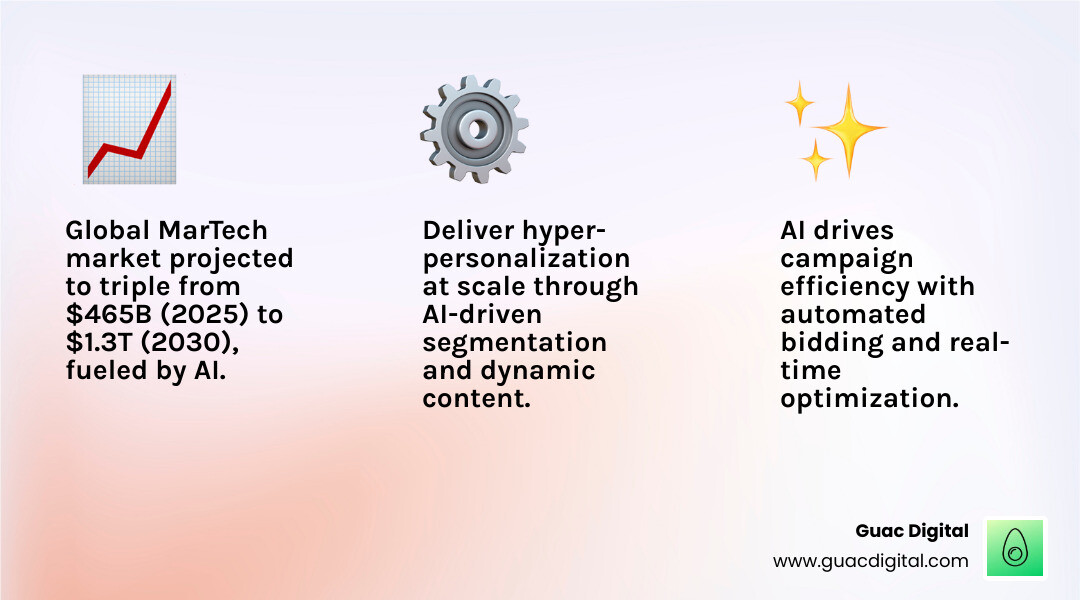
The digital marketing world is being transformed by artificial intelligence and automation. The global MarTech market is projected to grow exponentially, driven by AI, machine learning, and big data making marketing more effective than ever. According to Grand View Research, this isn’t just growth—it’s a revolution.
How AI is Revolutionizing Digital Campaign Management
AI has moved from fiction to reality, changing what’s possible in digital campaign management. Automated bidding platforms use AI to analyze data in real-time, adjusting bids 24/7 to maximize value. Real-time optimization goes further, with AI continuously monitoring performance to refine content and reallocate budgets. Trend analysis powered by machine learning helps spot emerging patterns in consumer behavior, allowing for swift strategic pivots.
These tools deliver tangible results. One company used AI-driven insights to achieve a 20% increase in social media engagement and a 25% boost in online sales. AI frees up human experts to focus on the creative and strategic work that drives brands forward. To see how agencies leverage these advancements, check out What Does a Digital Marketing Agency Do?.
Achieving Hyper-Personalization at Scale
AI enables personalized experiences for thousands of customers simultaneously. AI-driven segmentation goes beyond demographics, using behavior and intent signals to create precise audience segments. Dynamic content adapts automatically to each viewer, such as an email with product recommendations based on recent browsing history. Personalized messaging ensures every interaction feels relevant, improving engagement and trust.
This level of personalization helps messages cut through today’s crowded digital landscape. The best part is that this technology is becoming more accessible, allowing businesses of all sizes to implement it as a standard part of their digital campaign management. For more on how data drives these strategies, explore our guide to Data-Driven Marketing Strategies.
Frequently Asked Questions about Digital Campaign Management
Digital campaign management can seem complex. Here are straightforward answers to the questions we hear most often.
What are the key steps in managing a digital campaign?
Managing a digital campaign follows five essential steps:
- Strategic Planning & Goal Setting: Defining clear, measurable objectives (SMART goals).
- Audience Research & Segmentation: Understanding and grouping your target audience.
- Creative Development & Channel Strategy: Crafting the message and choosing where to deliver it.
- Execution & Cross-Channel Coordination: Launching and managing the campaign cohesively.
- Performance Tracking & Real-Time Optimization: Monitoring data and making adjustments to improve results.
How do you measure the success of a digital marketing campaign?
Success is measured using Key Performance Indicators (KPIs) that align with your goals. We focus on metrics that impact the bottom line, not vanity metrics. Key KPIs include:
- Return on Ad Spend (ROAS): Revenue generated per dollar of ad spend.
- Customer Acquisition Cost (CAC): The cost to acquire a new customer.
- Conversion Rate: The percentage of users who complete a desired action.
- Website Traffic & Engagement: The volume and quality of visitors to your site.
- Brand Awareness Lift: Growth in reach, impressions, and brand mentions.
What is the most important skill for a digital campaign manager?
While creativity and analytical skills are vital, the single most important skill is adaptability. The digital landscape changes constantly, with new platforms, shifting algorithms, and evolving consumer behavior. A great campaign manager must analyze real-time data and make strategic pivots quickly.
Adaptability involves balancing analytical insights with creative problem-solving and navigating unexpected challenges. It requires a commitment to continuous learning, as the strategies that work today may not work tomorrow. This skill ensures a campaign manager can steer efforts effectively, no matter what changes arise.
Conclusion
We’ve journeyed through digital campaign management, from its foundational principles to the AI tools reshaping the industry. Effective management integrates all these pieces: strategic planning provides direction, data analysis acts as a compass, the right tools work to keep things running smoothly, and continuous optimization allows for adaptation.
AI and automation are making sophisticated marketing strategies accessible to businesses of all sizes. It’s no longer about having the biggest budget but about being the smartest with your resources. The most successful campaigns, as we’ve seen, create genuine connections by understanding their audience deeply.
At Guac Digital, we specialize in leveraging big data and programmatic strategies to create high-ROI campaigns that move the needle for our clients in Tampa and around the world. We believe your business is unique, and your marketing should be too.
The digital landscape will continue to evolve, but the core principle remains: connect authentically with people who need what you offer, with precision and purpose.
Ready to see what strategic digital campaign management can do for your business? See how we’ve helped clients succeed in our AI portfolio.