
Understanding Social Media Marketing
How to build a social media marketing strategy is a key question for businesses looking to grow their online presence and engage with customers. Here’s a simplified plan to get started:
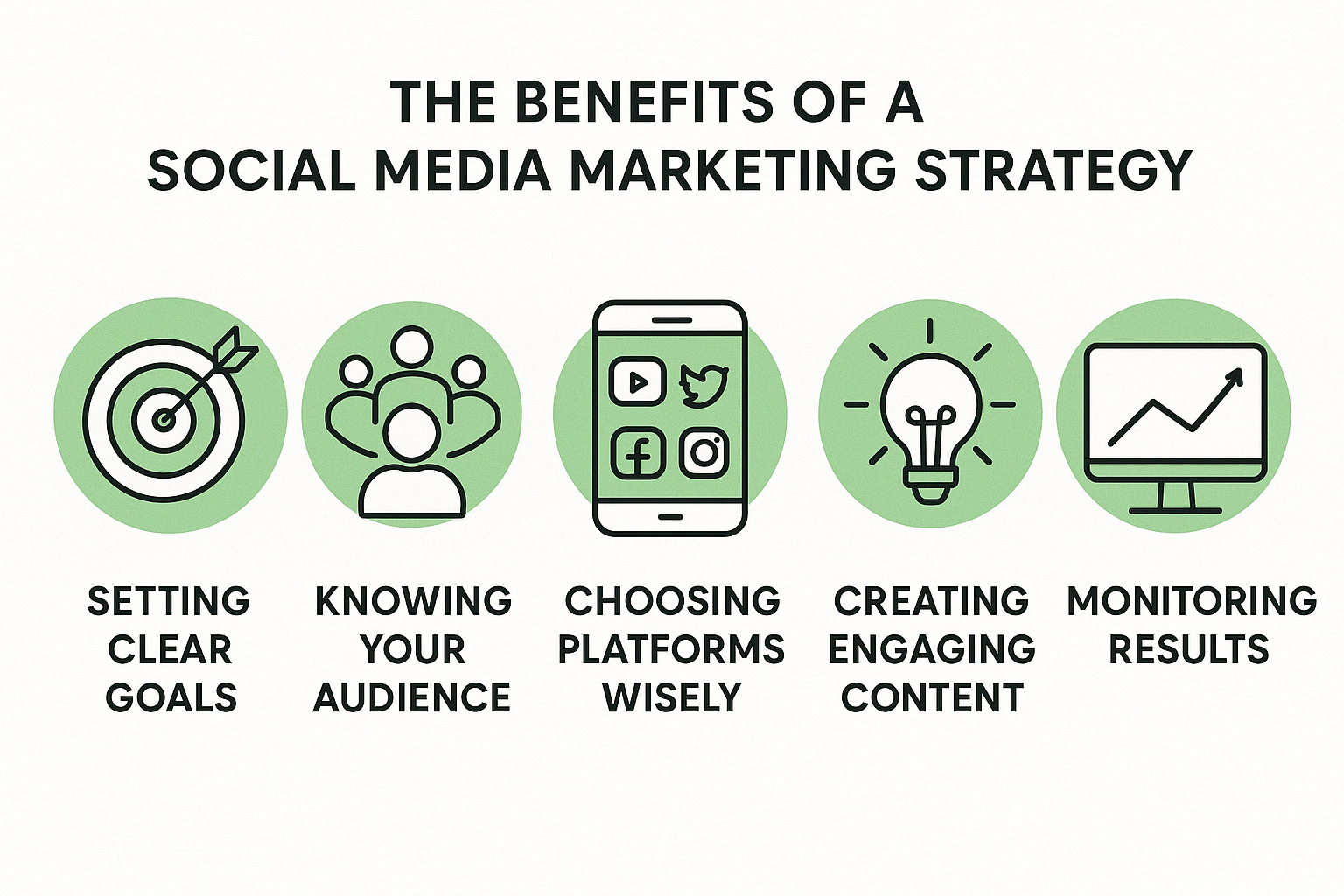
Set Clear Goals: Align your social media efforts with your business objectives. Use SMART criteria: Specific, Measurable, Achievable, Relevant, Time-bound.
Know Your Audience: Research demographics, interests, and behaviors. Tailor your content to fit their needs.
Choose Platforms Wisely: Focus on social media channels where your audience is most active. Each platform has unique strengths.
Create Engaging Content: Develop a content calendar with diverse topics. Use videos, images, and stories to connect with your audience.
Monitor and Adapt: Regularly track metrics like reach and engagement. Adjust your strategy based on what works.
To thrive in digital marketing, having a well-defined social media marketing strategy is essential. Think of it like cooking a gourmet meal—you wouldn’t start without a recipe. A structured plan ensures you’re not just tossing random ingredients together, hoping for the best outcome.
As Guy Leon, founder of Guac Digital, I’ve led numerous projects that emphasize the importance of strategic planning in social media. My team’s efforts have significantly boosted online engagement and conversion rates. This experience highlights how vital it is to integrate a solid how to build a social media marketing strategy into your business model.
Social media marketing refers to the process of using social media platforms to connect with your audience, build your brand, increase sales, and drive website traffic. This involves publishing great content on your social profiles, listening to and engaging your followers, analyzing your results, and running social media advertisements.
The average US adult spends 2.25 hours on social media every day. That’s a significant chunk of time that businesses can leverage to reach potential customers. More importantly, over 70% of people who have a positive experience with a business on social media will recommend that business to their networks.
“Working in social media without a strategy is like throwing together random ingredients, hoping to create a Gordon Ramsay-approved meal.”
This quote perfectly captures why random posting without a plan rarely yields the results businesses hope for. Social media marketing isn’t just about being present on platforms—it’s about strategic engagement that drives real business outcomes.
At Guac Digital, we’ve seen how a structured approach to social media can transform a business’s online presence. The difference between businesses that post occasionally with no clear direction and those that implement a cohesive strategy is dramatic—both in terms of engagement and conversion rates.
Why You Need a Social Media Marketing Strategy
In today’s digital landscape, having a social media presence isn’t optional—it’s essential. But simply creating accounts and posting sporadically isn’t enough. You need a comprehensive strategy to truly harness the power of social platforms.

Let me ask you something: would you drive across the country without a map or GPS? Probably not. The same logic applies to your brand’s social media journey. Without a roadmap, you’re just wandering aimlessly, hoping to stumble upon success.
Brand awareness is one of the most compelling reasons to develop a solid strategy. When you post consistently with intention, your brand becomes recognizable to a wider audience. Think about the brands you follow on social media—they didn’t capture your attention by accident. Their presence in your feed is the result of careful planning and execution.
Your social media strategy also serves as a powerful lead generation engine. With targeted content that speaks directly to your ideal customers, you can guide potential clients through your sales funnel with remarkable efficiency. We’ve seen businesses transform their prospect pools simply by getting strategic about their social content.
Customer engagement flourishes when you have a plan. Rather than shooting in the dark, you’ll know exactly how to spark meaningful conversations with your audience. These interactions build relationships that turn casual followers into loyal advocates for your brand.
When it comes to ROI, the difference between strategic and random posting is night and day. By focusing your efforts where they’ll have the most impact, you’ll see better returns on both your time and financial investments in social media marketing.
Don’t underestimate the competitive advantage a thoughtful strategy provides. In markets where everyone has a social presence, it’s the brands with clear direction and purpose that stand out from the noise.
Recent statistics paint a compelling picture of why how to build a social media marketing strategy should be at the top of your priority list. Did you know that 53% of consumers have increased their social media usage over the past two years? Or that a whopping 81% of Instagram users research products and services before making purchases?
The power of engagement can’t be overstated—nearly 80% of Twitter users feel more positive about businesses that respond to their tweets. For B2B companies, LinkedIn’s influence is undeniable, with 4 out of 5 users driving business decisions on the platform.
These numbers tell a clear story: a haphazard approach to social media simply won’t cut it anymore. Your competitors are getting strategic—are you?
Latest statistics on social media marketing
How to Build a Social Media Marketing Strategy
Let’s face it – diving into social media without a plan is like trying to steer a new city without a map. You might eventually get where you’re going, but you’ll waste a lot of time and energy in the process. Creating an effective how to build a social media marketing strategy doesn’t have to be complicated, though. I’ll walk you through this step-by-step, in a way that makes sense for businesses of all sizes.
Before we jump in, it’s helpful to understand how different platforms serve different purposes:
| Platform | Active Users | Primary Demographics | Best Content Types |
|---|---|---|---|
| 2.9+ billion | Ages 25-44 | Videos, articles, live streams | |
| 2 billion | Ages 18-34 | High-quality images, Stories, Reels | |
| 875+ million | Professionals, B2B | Industry insights, company news | |
| 450+ million | Ages 25-34 | Brief updates, news, customer service | |
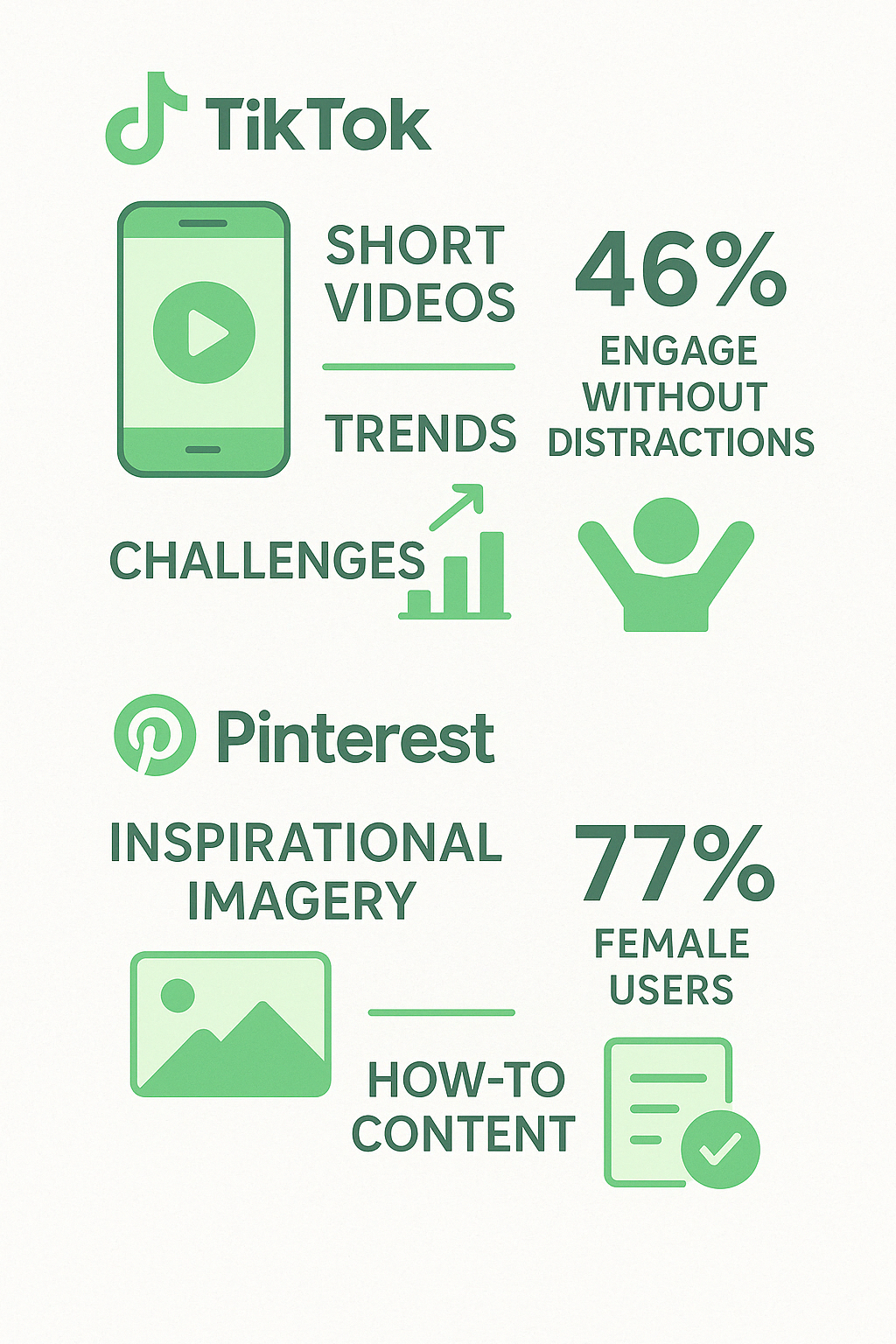
| TikTok | 1+ billion | Ages 18-24 | Short-form videos, trends, challenges |
| 450+ million | 77% female users | Visual content, DIY, products |
The secret sauce here? Understanding that each platform has its own personality and audience. Your strategy needs to respect these differences rather than taking a one-size-fits-all approach.
Step 1: How to Build a Social Media Marketing Strategy with SMART Goals
Think about what you actually want to achieve with social media. Vague goals like “get more followers” won’t cut it – you need specific targets that connect directly to your business objectives.
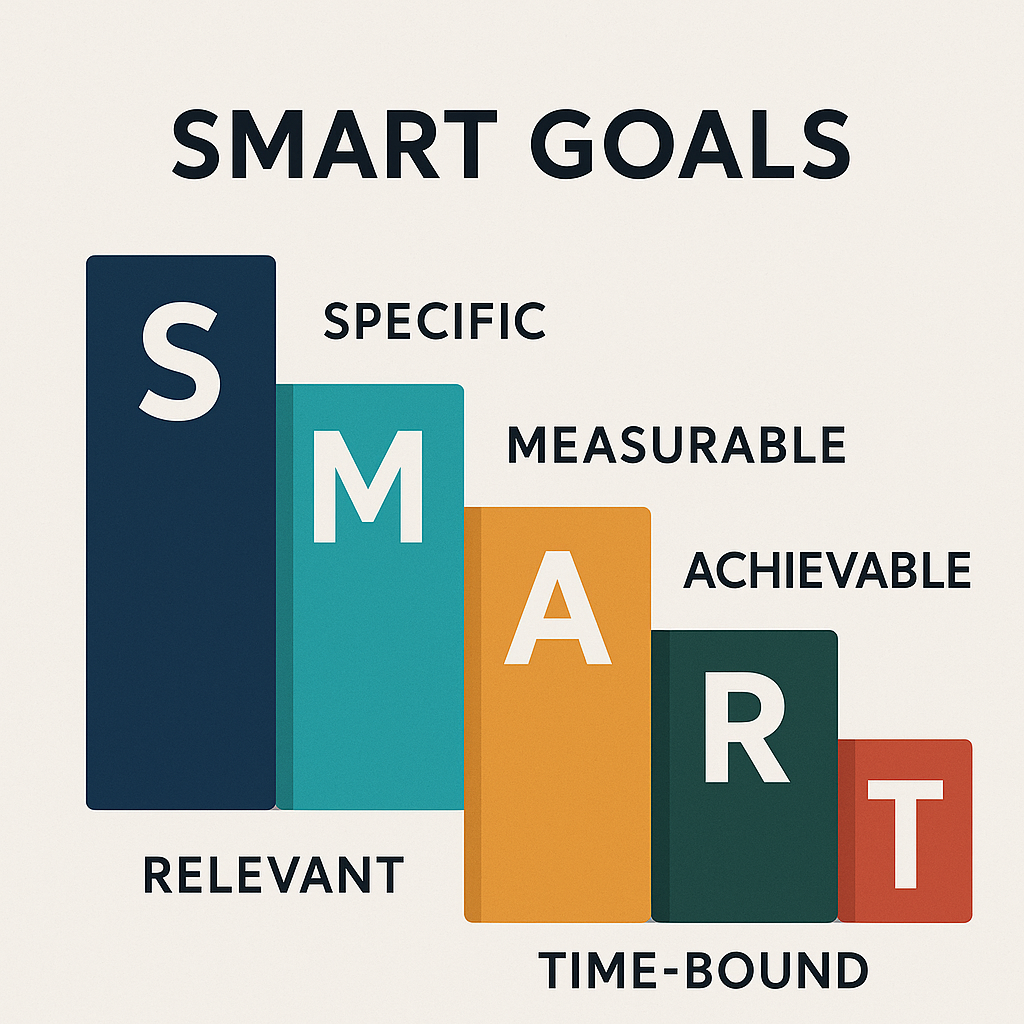
SMART goals give your strategy direction and purpose:
Specific: “Increase Instagram followers” becomes “Attract followers who are Tampa homeowners aged 30-45.”
Measurable: Put actual numbers to your goals – “Generate 100 leads from social media in Q2.”
Achievable: Be ambitious but realistic. If you currently get 5 new followers weekly, aiming for 500 might be setting yourself up for disappointment.
Relevant: Every social media goal should connect to a broader business objective. If you want to boost online sales by 10%, your social media should focus on driving qualified traffic to product pages.
Time-bound: Set deadlines to create urgency and help measure success – “Increase engagement rate by 15% within four months.”
At Guac Digital, we’ve seen how transformative well-crafted goals can be. When we helped a local restaurant focus on driving weekend bookings through Instagram (rather than just “getting more followers”), their Saturday reservations increased by 22% in just two months. The difference was having a specific, business-focused target.
Step 2: Research Your Target Audience Thoroughly
Knowing who you’re talking to changes everything about how you communicate. Detailed audience research helps you craft content that genuinely resonates rather than just adding to the noise.
Think of audience research like becoming a detective. You’re gathering clues about who your ideal customers are, what matters to them, and how they behave online. Build detailed personas that go beyond basic demographics to include:
Pain points and challenges – What problems does your audience face that your business can help solve?
Content preferences – Do they prefer quick tips, in-depth guides, or entertaining videos?
Platform behaviors – Are they active scrollers on Instagram or professional networkers on LinkedIn?
Values and interests – What do they care about outside of your specific product or service?
Use everything at your disposal to gather these insights – platform analytics, customer surveys, social listening tools, competitor analysis, and industry reports all provide valuable pieces of the puzzle.
“Find your content niche, and share content that connects with your niche and nothing else.”
This quote perfectly captures why focus matters more than reach. I remember working with a Tampa fitness studio that was trying to appeal to everyone with generic workout content. When we narrowed their focus to busy professionals seeking efficient workouts, their content immediately started performing better – more engagement, more leads, and ultimately more memberships.
Step 3: How to Build a Social Media Marketing Strategy by Choosing the Right Platforms
You don’t need to be everywhere – you need to be where your audience is, with content that works for that specific platform. Quality always beats quantity when it comes to platform selection.

Let’s look at how different brands excel on specific platforms:
Instagram shines for visual brands and lifestyle products. Fashion retailer Boohoo crushes it on Instagram with vibrant product photos and customer content showcasing their clothing in real life. The platform’s visual nature makes products look desirable and shareable.
Twitter excels for real-time engagement and customer service. JetBlue has mastered Twitter as a customer service channel, responding quickly to traveler questions and concerns. Their conversational, helpful approach turns potential frustrations into positive brand experiences.
LinkedIn is the go-to for B2B marketing and thought leadership. IBM leverages LinkedIn to share technological innovations and establish industry authority. Their content speaks directly to business decision-makers in a professional context.
Facebook offers broad reach and community-building features. While younger users are migrating elsewhere, it remains powerful for reaching adults 25-44 with varied content formats from videos to events.
TikTok provides unparalleled access to younger audiences with high attention potential – 46% of TikTok users engage without distractions. Brands that show personality and creativity thrive here.
Pinterest serves visual findy for specific niches, particularly home decor, fashion, and DIY projects. With a predominantly female user base (77%), it’s perfect for brands in related industries.
When choosing your platforms, ask yourself: Is my audience active here? Can we create the right content types? Do we have the resources to maintain consistency? Does this platform align with our business goals?
At Guac Digital, we typically recommend clients master 2-3 platforms rather than spreading themselves too thin. One Tampa jewelry designer we worked with was struggling to maintain accounts on six different platforms. When we helped them focus just on Instagram and Pinterest, their engagement soared and their team felt much less overwhelmed.
Step 4: Develop Engaging and Consistent Content
Now comes the fun part – creating content that your audience actually wants to see. The key is balancing variety with consistency.
Start by establishing your content pillars – the main themes your posts will revolve around. These should sit at the intersection of your expertise, your audience’s interests, and your industry. A sustainable clothing brand might focus on ethical manufacturing, styling tips, behind-the-scenes glimpses, and environmental impact stories.
Your brand voice ties everything together. Are you playful and irreverent? Authoritative and educational? Inspirational and motivational? This personality should shine through consistently, even as you adapt to different platforms.
Mix up your content formats to keep things fresh:
Images capture attention quickly and work across all platforms. They’re perfect for product showcases, quote graphics, and behind-the-scenes peeks.
Videos generate higher engagement than any other content type. Even simple smartphone videos can perform well if they deliver value.
Stories create urgency with their 24-hour lifespan. They’re ideal for time-sensitive announcements and casual, authentic moments.
Live streams foster real-time connection. Q&A sessions, product launches, and interviews all work beautifully in this format.
Text posts still have their place, especially for thought leadership on LinkedIn or conversation starters on Twitter.
User-generated content provides authentic social proof while making your customers feel valued.
Remember the 80/20 rule for content balance: 80% should inform, educate, or entertain your audience, while only 20% should directly promote your products or services. Nobody follows a brand just to see advertisements – they want value.
As Angela Purcaro, a social media manager, wisely notes: “For our makeup tutorials, we’re all about Snapchat and Instagram Stories. Twitter, on the other hand, is designated for customer service.” This platform-specific approach ensures content plays to each channel’s strengths.
Step 5: Create a Content Calendar and Schedule Posts
Consistency builds trust. A content calendar helps you maintain a steady presence without the last-minute scramble to figure out what to post.
Think of your content calendar as your social media roadmap. It should clearly outline what you’re posting, when, and on which platforms. Include details like:
Content descriptions – What’s the topic? What format will it take?
Publishing dates and times – When will each piece go live?
Platform assignments – Where will each piece be shared?
Responsibilities – Who’s creating, approving, and publishing?
Campaign details – Relevant hashtags, links, or promotional elements
Finding your ideal posting frequency takes some experimentation, but these guidelines can help you start:
Instagram: 3-7 times per week works well for most brands
TikTok: 3-5 times weekly keeps you in the algorithm without overwhelming your team
Facebook: 1-2 times daily is typically sufficient
Twitter: 1-5 times daily makes sense given the platform’s fast pace
LinkedIn: 1-5 times per week maintains professional presence without seeming spammy
That said, I’ve seen brands succeed with less frequent, higher-quality content. One Tampa restaurant client posts just twice weekly on Instagram but puts significant effort into stunning food photography and thoughtful captions. Their engagement rate is far higher than competitors who post daily with less compelling content.
Tools like Buffer, Hootsuite, or Later can save you hours by allowing you to schedule content in advance. They also provide valuable insights about optimal posting times based on when your specific audience is most active.
At Guac Digital, we build content calendars that incorporate seasonal trends, industry events, and company milestones, while leaving flexibility for timely, reactive content. This balanced approach ensures you’re both planned and nimble.
Step 6: Engage Actively with Your Audience
Social media isn’t a megaphone – it’s a telephone. Two-way conversation is what sets it apart from traditional marketing channels.
The brands that truly shine on social media don’t just broadcast content; they build relationships through consistent engagement. This means:
Responding promptly to comments and messages – Nearly 80% of Twitter users feel more positive about businesses that respond to their tweets. Aim to reply within hours, not days.
Asking thoughtful questions – People love sharing their opinions. Simple questions like “Which do you prefer?” or “What would you add to this list?” can spark lively conversations.
Creating interactive content – Polls, quizzes, and contests invite participation beyond passive consumption.
Celebrating user-generated content – When customers share photos of your products or services, resharing (with permission) makes them feel valued while providing authentic social proof.
Using strategic hashtags – Research relevant hashtags that can help your content reach beyond your current followers.
Chipotle’s TikTok account exemplifies brilliant engagement. They don’t just post promotional content; they participate in trending challenges, respond to comments with humor, and create content that feels native to the platform. This approach has earned them millions of followers and genuine brand affinity.
I’ve seen this work wonders for smaller businesses too. A Tampa bakery we work with implemented a weekly “Behind the Scenes” feature where followers could ask questions about their baking process. This simple engagement strategy boosted their social media presence by 40% and translated to increased foot traffic in their physical location. People felt connected to the brand before they ever walked through the door.
Authenticity beats perfection every time. As one social media expert told me, “Showing the human side of a brand creates a stronger bond with the audience than even the most polished content.”
Step 7: Monitor Key Metrics and KPIs
If you’re not measuring results, you’re just posting and hoping for the best. Tracking the right metrics helps you understand what’s working, what isn’t, and how to improve.
The metrics that matter most depend on your specific goals, but generally fall into these categories:
Awareness Metrics tell you how many people are seeing your content. This includes reach (unique users who see your content), impressions (total views), and follower growth rate.
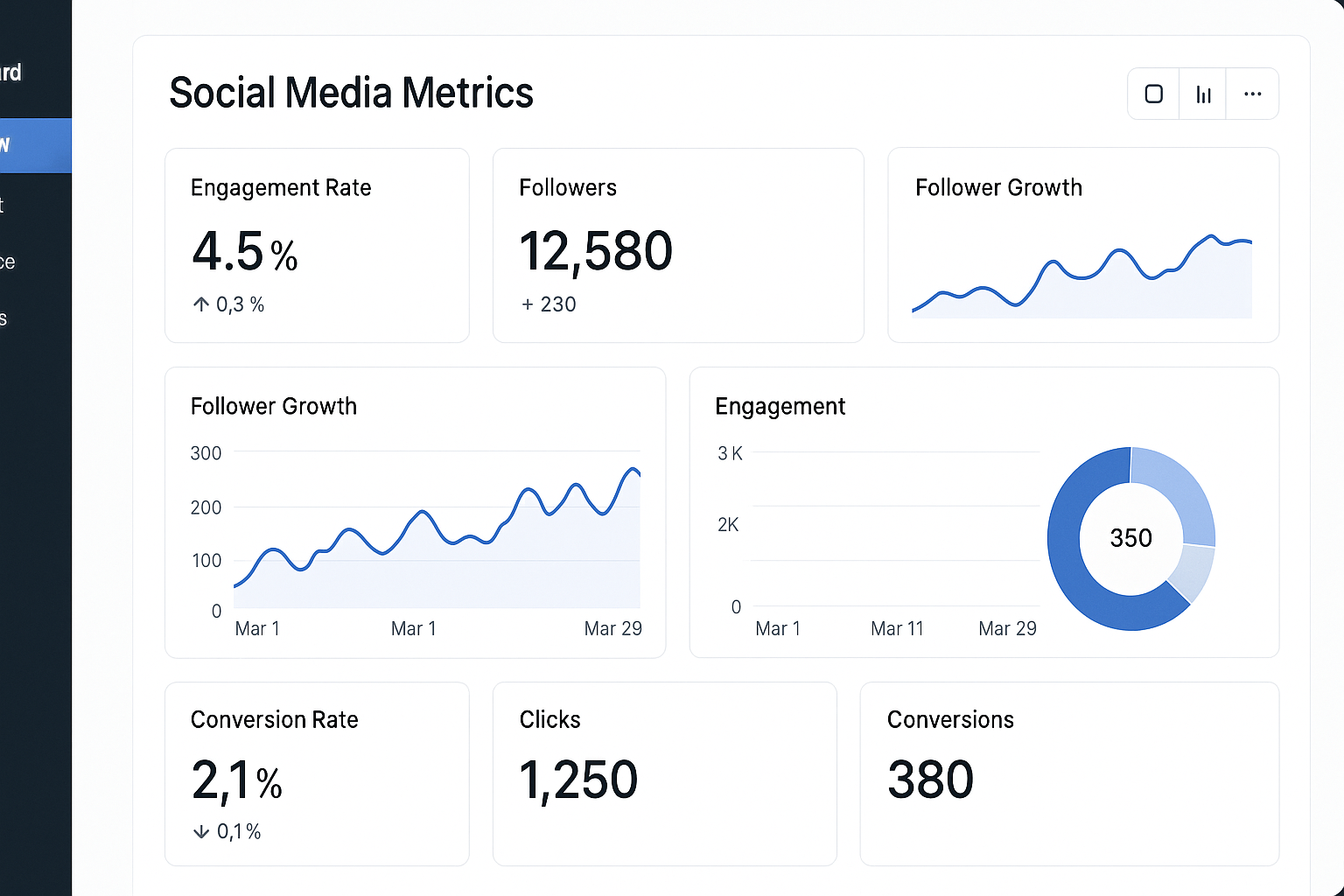
Engagement Metrics reveal how people interact with your content. Watch your engagement rate (likes, comments, shares as a percentage of followers), amplification rate (how often content is shared), and applause rate (approval actions like likes).
Conversion Metrics connect social media to business results. Track click-through rates, conversion rates, and cost per conversion (for paid campaigns).
Customer Service Metrics measure how effectively you’re handling inquiries. Monitor response time and resolution rate.
Platform-specific analytics tools like Facebook Insights and Instagram Analytics provide valuable data, but don’t stop there. Use Google Analytics with UTM parameters to track how social media traffic behaves on your website – do these visitors convert to customers?
At Guac Digital, we set up custom UTM parameters for all our clients’ social links, allowing us to track exactly which platforms and even which specific posts drive the most valuable traffic. This level of detail helps us continually refine strategies based on what’s actually working.
One important note: don’t get fixated on vanity metrics like follower counts. I’ve seen accounts with 5,000 highly engaged followers drive more business than those with 50,000 disinterested ones. Quality of audience always trumps quantity.
Step 8: Analyze Your Competitors and Industry Leaders
Looking at what others in your space are doing provides valuable context and inspiration – not to copy them, but to find opportunities to differentiate yourself.
When analyzing competitors, pay attention to:
Platform selection – Are they succeeding on platforms you haven’t considered? Or perhaps overlooking platforms where you could stand out?
Content themes – What topics seem to resonate with their audience? Are there content gaps you could fill?
Posting patterns – How frequently do they post? At what times? Does their engagement suggest this approach is working?
Engagement levels – Which types of posts generate the most interaction? What can you learn from their high-performing content?
Audience interaction – How do they respond to comments? What tone do they use?
Hashtags and keywords – What terms are they targeting to increase visibility?
Brand voice – How do they communicate? Formal? Casual? Humorous? Educational?
Social listening tools like Brandwatch, Mention, or even free options like Google Alerts can streamline this process by tracking mentions of competitors and industry terms.
I’ve seen this approach uncover golden opportunities. A financial services firm we work with in Tampa finded through competitive analysis that none of their competitors were creating educational content about retirement planning on Instagram. By filling this gap with accessible, visually appealing explainers, they quickly established themselves as thought leaders in a space their competitors had overlooked.
That said, don’t become obsessed with what competitors are doing. As one expert told me: “Make sure you aren’t ALWAYS comparing yourself to the competition — it can be a distraction. I’d say checking in on a monthly basis is healthy.”
Step 9: Continuously Adapt and Improve Your Strategy
Social media never stands still. Algorithms change, platforms evolve, and user behaviors shift. Your strategy needs to be a living document, not something you create once and forget.
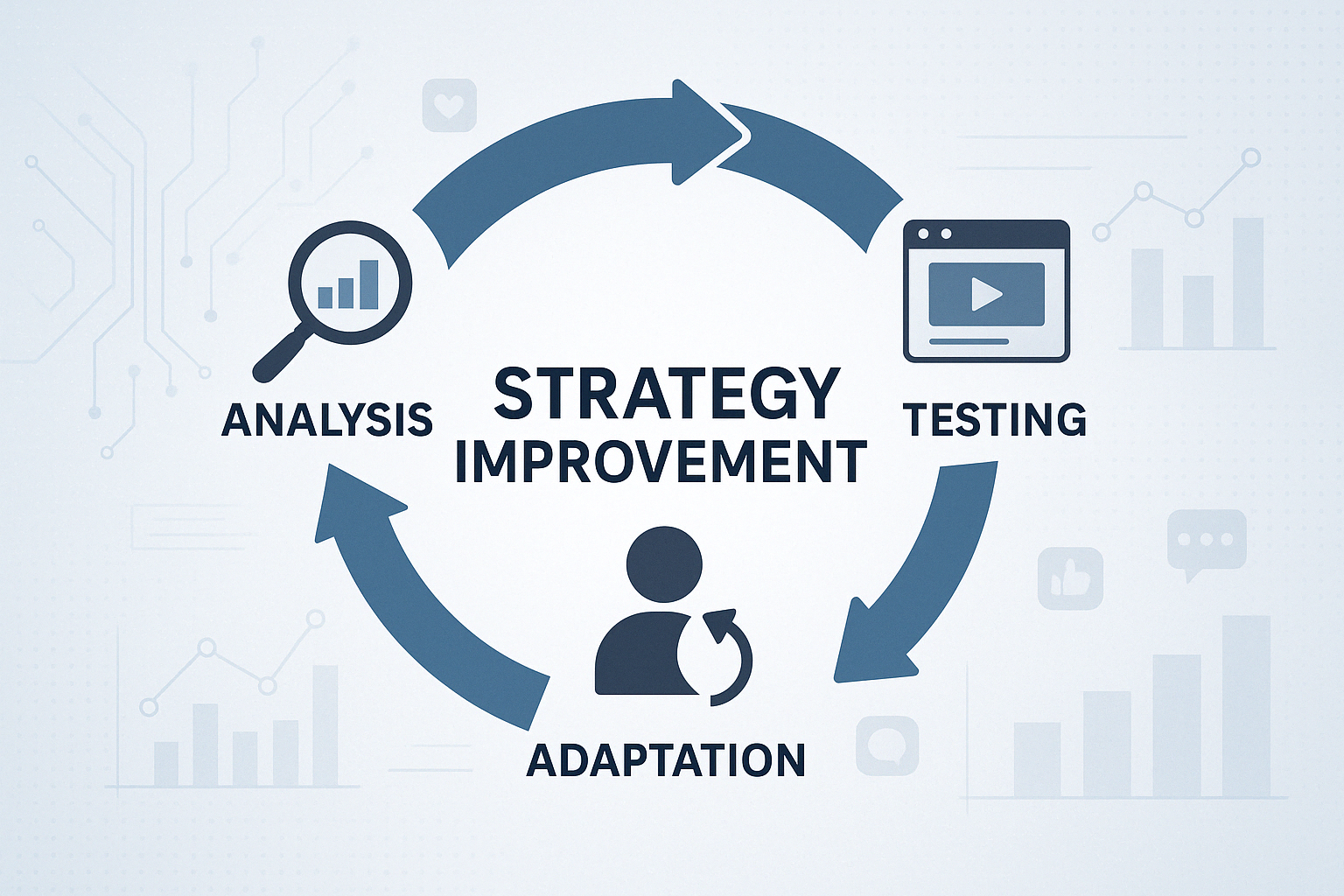
To keep your approach fresh and effective:
Stay informed about platform changes by following social media news sources and official platform blogs. What worked last year might not work today.
Run regular A/B tests to refine your approach. Try different content types, posting times, caption lengths, or visual styles to see what resonates best with your audience.
Review your goals quarterly to ensure your social media objectives still align with your evolving business needs.
Analyze performance data monthly to identify trends and insights that can inform adjustments to your strategy.
Gather direct feedback from your audience through polls, questions, or direct outreach to learn what they want to see more (or less) of.
Monitor industry trends to stay ahead of the curve and adapt emerging best practices to your unique situation.
One Guac Digital client initially focused heavily on Facebook because “that’s where we’ve always been.” When our analysis showed their target audience was increasingly active on Instagram, we helped them pivot their strategy. The result? A 35% increase in engagement within three months and, more importantly, a significant uptick in qualified leads.
As one social media consultant perfectly put it: “If you know something is working, lean more into it. If you realize quickly that something isn’t, adjust accordingly.” This willingness to evolve based on real data is what separates successful social media strategies from those that stagnate.
Building an effective how to build a social media marketing strategy isn’t a one-time event – it’s an ongoing process of refinement. The brands that win on social media are those willing to learn, adapt, and stay responsive to both their audience and the ever-changing digital landscape.
Frequently Asked Questions about Building a Social Media Marketing Strategy
How long does it take to see results from a social media marketing strategy?
When clients ask me this question, I always remind them that social media success is more marathon than sprint. Most businesses start seeing initial traction within 3-6 months of consistent effort, but the truly impressive results often take 6-12 months to materialize.
Think of your social media strategy like tending a garden – you can’t plant seeds today and expect a full harvest tomorrow. The timeline varies based on several factors unique to your situation:
Your starting point matters tremendously. Are you building from zero followers or do you already have an engaged audience? A brand-new account naturally takes longer to gain momentum than one with existing followers.
Content quality and consistency play huge roles too. Posting sporadically with mediocre content will significantly delay your results compared to a steady stream of valuable, engaging posts that your audience actually wants to see.
Some industries are simply more competitive on social media than others. A local bakery might see faster traction than a B2B software company simply because food content naturally performs well on platforms like Instagram.
At Guac Digital, we’ve found that clients who commit to at least three months of consistent effort before making any major strategy shifts almost always see meaningful progress. Patience paired with persistence is truly the winning formula here.
Which social media platforms are best for my business?
This is a bit like asking “what’s the best vehicle?” – it entirely depends on where you’re going and what you’re carrying! The perfect platform mix for your business depends on four key factors:
Where your audience actually spends their time should be your primary consideration. If your research shows your ideal customers are primarily on LinkedIn and rarely use TikTok, that tells you exactly where to focus your energy.
Your industry and content type naturally fit better on certain platforms. Visual businesses like interior design or fashion thrive on Instagram and Pinterest. Professional services firms often see their best results on LinkedIn, where thought leadership content performs exceptionally well.
Your content creation capabilities matter enormously. Be honest about what you can consistently produce. If you don’t have video production resources, TikTok might be challenging to maintain, no matter how popular the platform is.
Your specific business goals should guide your platform selection. Looking to build brand awareness? Instagram and TikTok excel there. Focused on lead generation? LinkedIn might be your primary focus.
I often see businesses stretching themselves too thin by trying to maintain a presence everywhere. At Guac Digital, we typically recommend clients master 2-3 platforms before expanding further. A focused, excellent presence on fewer platforms almost always outperforms a mediocre presence everywhere.
How do I measure the ROI of my social media marketing efforts?
Connecting your social media efforts to actual business results is essential, but it doesn’t have to be complicated. Here’s how to approach it in practical terms:
First, define what “return” specifically means for your business. For an e-commerce store, this might be direct sales. For a service business, it might be qualified leads or consultation bookings. For a local business, it might include foot traffic to your physical location.
Whenever possible, assign monetary values to these outcomes. If you know your average sale is $50 or your average client is worth $2,000, you can calculate the value of social media-driven conversions.
Proper tracking is absolutely crucial for accurate ROI measurement. Use UTM parameters in your links, set up conversion tracking in your analytics tools, and create specific landing pages for social media traffic when appropriate. This helps you directly attribute results to your social media efforts.
Don’t forget to calculate your total costs realistically. This includes obvious expenses like ad spend, but also the value of your time, any content creation costs, and subscription fees for scheduling or analytics tools.
The basic ROI formula is simple: ROI = (Value Generated – Cost) / Cost × 100
A client of ours in Tampa recently finded through proper tracking that their Instagram Stories drove three times more conversions than their regular posts – information that completely transformed their content strategy and significantly improved their returns.
Social media also delivers valuable benefits beyond direct sales – including brand awareness, customer loyalty, and market insights. While these are harder to assign specific dollar values to, they contribute significantly to your business’s long-term success.
Conclusion
Building an effective social media marketing strategy isn’t something you do once and forget about. It’s more like tending a garden—requiring consistent care, attention, and adaptation as seasons change. Throughout this guide, we’ve walked through the essential steps to create a strategy that can truly move the needle for your business.
Let’s take a moment to reflect on the journey of how to build a social media marketing strategy that we’ve covered:
- Setting SMART goals that align with what your business actually needs to achieve
- Getting to know your audience—not just their demographics, but what makes them tick
- Choosing platforms where your people actually hang out (not where you think they should be)
- Creating content that resonates and reflects your unique brand voice
- Planning and scheduling posts to maintain consistency without burning out
- Actively engaging with your community rather than just broadcasting to them
- Tracking what matters so you can do more of what works
- Keeping an eye on competitors without becoming obsessed with them
- Staying flexible and willing to pivot when necessary
One thing I’ve learned working with clients at Guac Digital is that social media success rarely happens overnight. The brands that win on social platforms understand it’s a marathon, not a sprint. They commit to consistency, authenticity, and genuine connection with their audience.
Think of your social media strategy as a living document rather than something set in stone. As platforms evolve, algorithms change, and your business grows, your approach should evolve too. The most successful brands are those that remain nimble and responsive while staying true to their core values and audience needs.
At Guac Digital, we’ve helped businesses from local Tampa restaurants to global enterprises build social media presences that actually drive results. What sets our approach apart is our focus on data-driven decisions combined with authentic storytelling. We don’t believe in cookie-cutter strategies—what works for one brand won’t necessarily work for another.
Whether you’re just dipping your toes into social media marketing or looking to revamp an existing approach, strategy beats spontaneity every time. Taking the time to plan, analyze, and refine your efforts will pay dividends in engagement, loyalty, and ultimately, your bottom line.
Check out our detailed guide on effective social media marketing strategies for more insights and practical tips to take your social presence to the next level.
The social media landscape will continue to change, but with a solid strategy as your foundation, you’ll be well-equipped to adapt and thrive, no matter what comes next.