
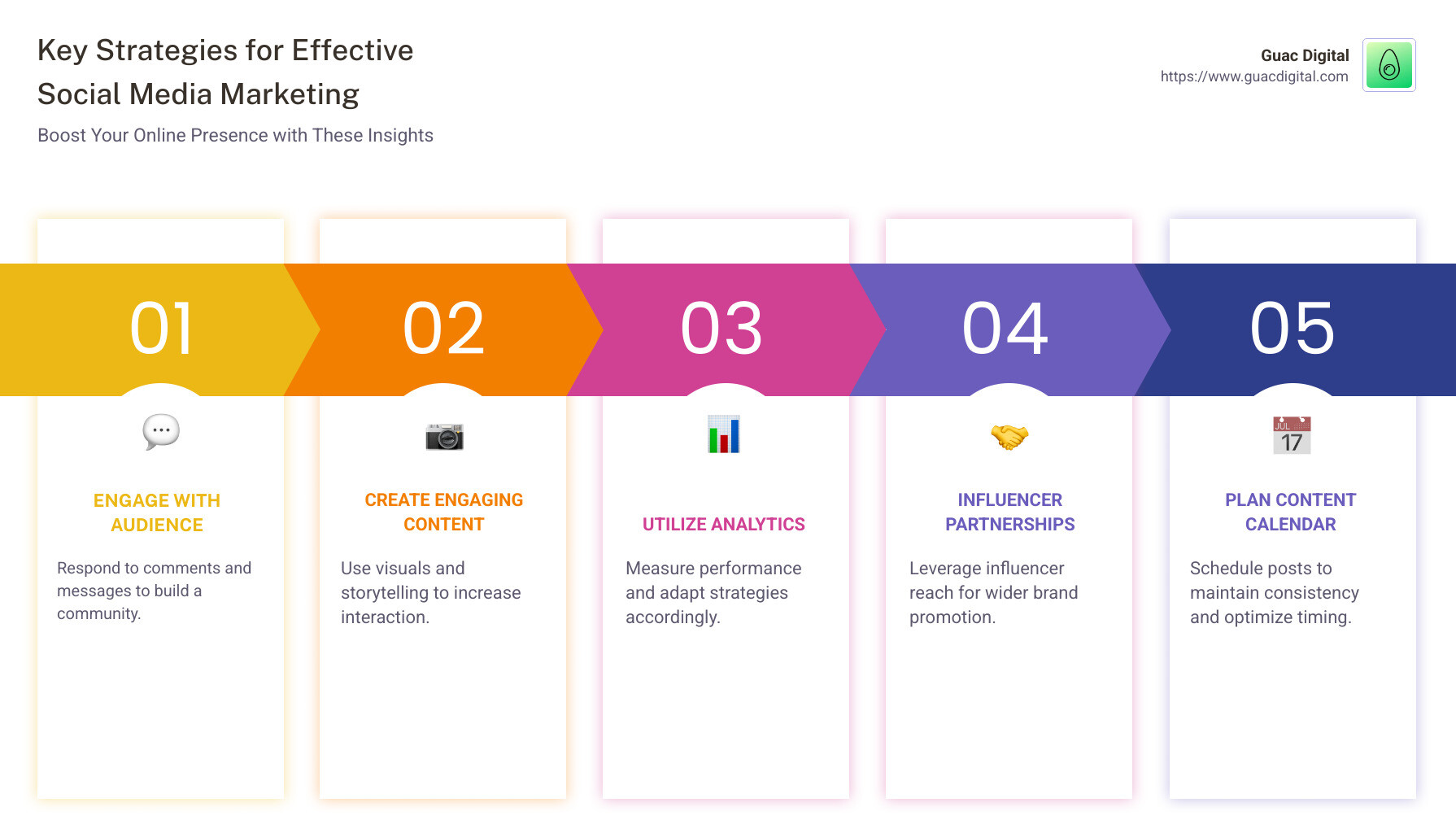
Effective social media marketing strategies are vital for any business looking to thrive in today’s digital world. Here are key strategies to focus on:
- Engage with your audience: Respond to comments and messages.
- Create engaging content: Use visuals and storytelling to boost interaction.
- Use analytics: Measure and adapt strategies based on performance data.
- Partner with influencers: Leverage their reach for brand promotion.
Social media is not just a tool—it’s the landscape where modern businesses rise or fall. It’s the global communication hub that connects people across continents, changing how brands interact with their audiences. With over 4.74 billion people using social media worldwide, the digital presence of a business can make or break its success. Guac Digital understands these dynamics deeply. We are here to help businesses harness these platforms with effective social media marketing strategies for improved brand visibility and engagement.
I’m Guy Leon, the founder and CEO of Guac Digital. My journey has involved deploying effective social media marketing strategies that have significantly increased client engagement and conversion rates. We’re excited to share insights that empower your business to thrive in today’s connected world.
What is Social Media Marketing?
Social media marketing is the art of using social media platforms to promote your brand and connect with your audience. It’s not just about posting random updates. It’s about creating a strategic plan to reach your ideal customers and engage them in meaningful ways.
Definition
At its core, social media marketing is a type of digital marketing that leverages platforms like Instagram, Facebook, and TikTok to promote your brand’s offerings. The goal is to connect with your audience, build your brand, and drive sales. It’s more than just advertising; it’s about building relationships and community.
Platforms
Different platforms serve different purposes. For instance:
- Instagram is great for visual storytelling. Think stunning photos and engaging reels.
- Facebook offers a broad audience reach and targeted ad options.
- TikTok is perfect for short, creative videos, especially if you’re targeting a younger demographic.
- LinkedIn is ideal for B2B marketing and professional networking.
Each platform has its unique strengths, so it’s important to choose the ones that align with your brand and audience.
Brand Promotion
Social media is a powerful tool for brand promotion. It allows businesses to showcase their values, products, and services in creative ways. By consistently sharing content that resonates with your audience, you can strengthen your brand’s identity and increase its visibility.
For instance, a company launching a new product might use Instagram stories to generate buzz and Facebook ads to reach a wider audience. The key is to maintain a consistent brand voice across all platforms.
Customer Interaction
One of the biggest advantages of social media is the ability to interact directly with your customers. This interaction can take many forms, such as responding to comments, answering questions, or engaging in conversations. This not only builds trust but also fosters a sense of community.
Real-time interactions on platforms like Twitter can improve customer service and provide valuable insights into customer preferences and pain points. Moreover, engaging with your audience can turn satisfied customers into brand advocates, who share their positive experiences with their networks.
By understanding what social media marketing entails and how it can be leveraged, businesses can effectively engage with their audience, promote their brand, and achieve their marketing goals.
Next, we’ll dive deeper into effective social media marketing strategies that can help you set SMART goals, understand your audience, and create engaging content.
Effective Social Media Marketing Strategies
Setting SMART Goals
Setting SMART goals is the first step in crafting effective social media marketing strategies. These goals are Specific, Measurable, Attainable, Relevant, and Time-bound. By defining clear objectives, you can measure your success and ensure that your efforts align with your overall business objectives.
Here’s how to set SMART goals:
Specific: Clearly define what you want to achieve. For example, “Increase Instagram followers by 20%.”
Measurable: Use metrics to track progress. This could be “achieving 500 new followers.”
Attainable: Ensure the goal is realistic. Consider your resources and time.
Relevant: Align goals with your business objectives. If your aim is brand awareness, focus on reach and engagement.
Time-bound: Set a deadline. For example, “Reach this goal by the end of Q2.”
By following the SMART framework, you can set goals that guide your social media efforts toward meaningful outcomes.
Understanding Your Target Audience
To effectively engage your audience, you must understand who they are. This involves researching demographics, psychographics, and social media usage patterns. Creating audience personas can help you tailor your content to meet their needs.
Demographics: Know the age, gender, location, and income of your audience.
Psychographics: Understand their interests, values, and lifestyle.
Social Media Usage: Identify which platforms they use and how they interact with content.
Creating detailed audience personas allows you to craft messages that resonate and engage. For instance, if your target audience is young adults interested in fitness, your content might include workout tips and healthy recipes shared on Instagram and TikTok.
Creating Engaging Content
Content is the backbone of any social media strategy. To captivate your audience, focus on creating content that is original, consistent, and aligned with your brand voice.
Content Types: Use a mix of formats like videos, infographics, and blog posts to keep things interesting.
Brand Voice: Maintain a consistent tone that reflects your brand’s personality.
Originality: Stand out by offering unique perspectives or insights that your audience can’t find elsewhere.
Consistency: Regular posting keeps your audience engaged and your brand top-of-mind.
A content strategy that incorporates these elements can drive engagement and build a loyal following.
Utilizing Analytics and KPIs
Analytics and Key Performance Indicators (KPIs) play a crucial role in evaluating the effectiveness of your social media marketing strategies. By tracking performance metrics, you can gain insights into what works and what doesn’t.
Brand Awareness: Measure reach, impressions, and brand mentions.
Sales/Leads: Track clicks, conversion rates, and lead generation.
Customer Care: Monitor response times and customer satisfaction scores.
Using tools like Facebook Insights and Google Analytics, you can make data-driven decisions to refine your strategy. For example, if you notice videos get more engagement than text posts, focus more on video content.
By leveraging analytics, you can continuously improve your social media marketing efforts and achieve your business goals.
Top Social Media Platforms for Marketing
Facebook is the powerhouse of social media with a vast user base. It’s ideal for building brand awareness and reaching diverse audiences. Businesses can leverage Facebook’s targeted ads to connect with specific demographics, making it a must for any marketing strategy.
With tools like Facebook Pages and Groups, brands can foster communities and engage with followers directly. The platform’s ad capabilities allow for precise targeting, helping businesses cut through the noise and reach potential customers effectively.
Instagram thrives on visual content, making it perfect for brands that rely on aesthetics, such as fashion, food, and travel. Features like stories, reels, and shops provide opportunities for creative engagement and direct-to-consumer sales.
Brands can showcase their personality through visually appealing posts and interactive stories. Instagram’s shopping feature also enables users to purchase products directly, streamlining the path from findy to purchase.
Twitter is the go-to platform for real-time conversations and updates. Known for its short posts, it’s an excellent tool for customer service and keeping up with industry trends. Brands can engage with audiences through tweets, polls, and direct interactions.
With a 280-character limit, Twitter forces brands to be concise and impactful, making it a great platform for news, announcements, and quick updates.
YouTube
YouTube is the king of video content. It’s ideal for brands looking to provide in-depth tutorials and product showcases. As the second-largest search engine, YouTube helps brands reach audiences through engaging video content.
Brands like GoPro excel here by showcasing user-generated content, demonstrating their products’ capabilities in real-world scenarios. This approach not only builds trust but also encourages community participation.
LinkedIn is the premier platform for B2B marketing and professional networking. It’s perfect for sharing industry insights and connecting with decision-makers. Brands can also use LinkedIn for job postings and talent acquisition.
IBM, for instance, uses LinkedIn to share industry insights and company updates, reinforcing its position as a thought leader in the tech industry. This strategy helps attract professionals and potential collaborators.
TikTok
TikTok is a hub for short-form videos and trending content. It’s particularly effective for reaching younger audiences, especially Gen Z. Brands can tap into viral trends and create engaging content that resonates with this demographic.
Chipotle’s success on TikTok, with campaigns like the #GuacDance challenge, illustrates how brands can leverage the platform’s viral nature to drive engagement and sales.
By understanding the unique strengths of each platform, businesses can craft effective social media marketing strategies that maximize their reach and engagement.
Proven Strategies for Effective Social Media Marketing
Developing a Content Calendar
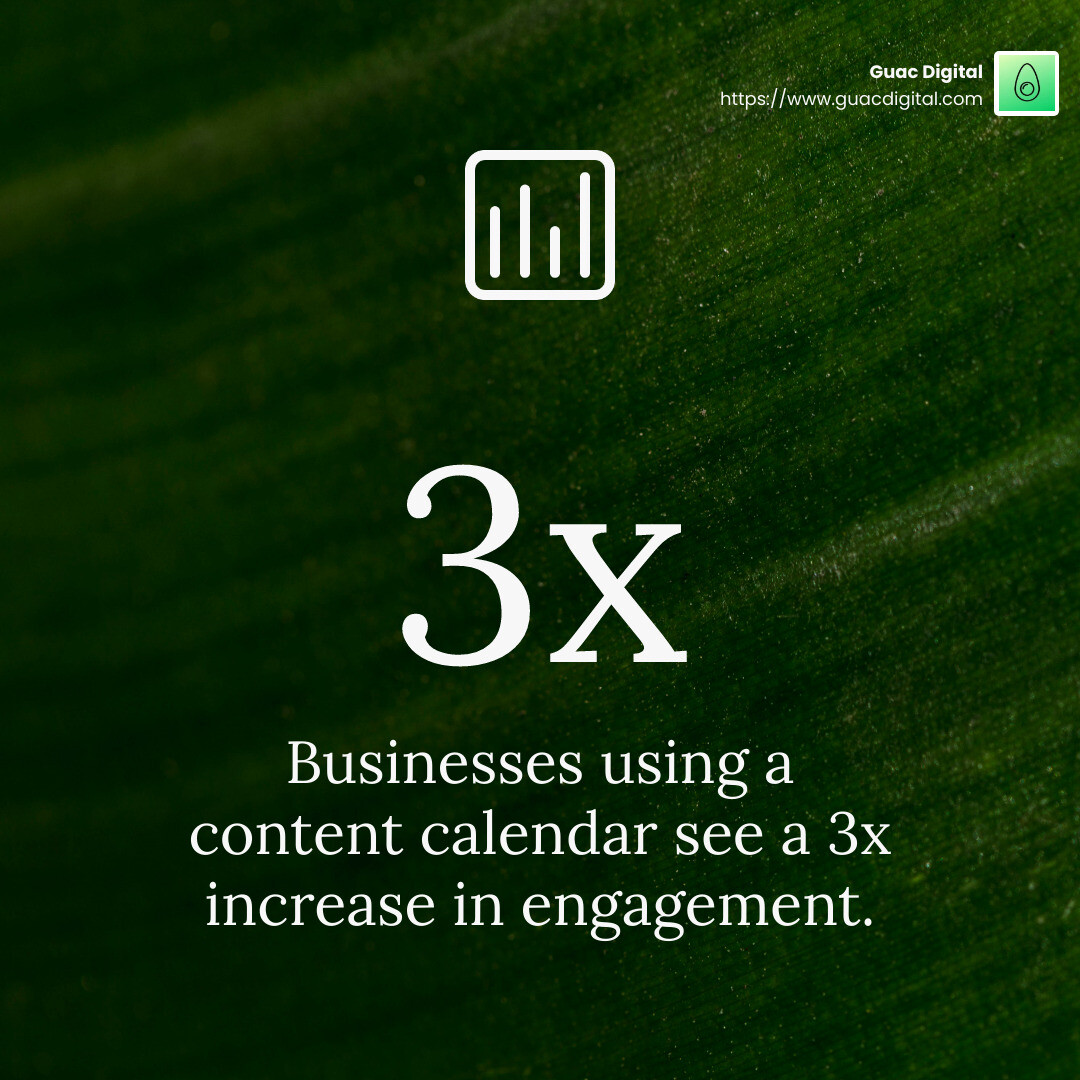
A content calendar is your roadmap for social media success. It helps you plan and schedule posts in advance, ensuring you maintain a consistent presence. This tool is vital for organizing your content around key dates and optimal posting times, maximizing audience engagement.
Planning is the first step. Identify the content types and themes that align with your brand’s goals. Use insights from past campaigns to determine the best days and times to post. This approach not only streamlines your workflow but also boosts your chances of reaching your audience when they are most active.
Conducting Competitive Analysis
Understanding what your competitors are doing can uncover unique opportunities for your brand. A thorough competitive analysis involves studying industry trends, analyzing competitor strategies, and identifying gaps you can fill.
For instance, if competitors are focusing on Facebook, you might explore Instagram or TikTok, where the competition is less fierce but the audience is still relevant. This strategy allows you to operate in a less crowded space, giving your brand a chance to stand out.
Building Influencer Partnerships
Influencer partnerships are a powerful way to boost brand visibility. Influencers create authentic content that resonates with their followers, providing you with access to a wider audience. Choose influencers whose values align with your brand for genuine audience engagement.
These partnerships can improve brand promotion through relatable content. Measure the success of these collaborations with KPIs like engagement rates and sales conversions to ensure they are meeting your marketing goals.
Encouraging User-Generated Content
User-generated content (UGC) is a goldmine for social proof and community building. Encourage customers to share reviews, photos, and videos of your products. This not only provides authentic content but also strengthens your brand’s credibility.
Campaigns like Dove’s #TurnYourBack show the power of UGC in building a community. By involving your audience in content creation, you foster a sense of belonging and loyalty, turning customers into brand advocates.
Incorporating these effective social media marketing strategies will improve your brand’s online presence and engagement. By being strategic and thoughtful in your approach, you can create a dynamic social media presence that resonates with your audience and drives results.
Frequently Asked Questions about Effective Social Media Marketing Strategies
What is the 50-30-20 rule for social media?
The 50-30-20 rule is a simple guideline to balance your social media content effectively:
50% Engage: Half of your content should engage your audience. Think of posts that spark conversation, like questions, polls, or interactive media. The goal is to build a community and foster relationships.
30% Inform: Around a third of your content should inform your audience. Share educational material, industry news, or how-to guides. This not only positions your brand as an authority but also adds value to your audience’s experience.
20% Promote: The remaining 20% can be promotional. Highlight your products, services, or special offers. However, be careful not to overwhelm your audience with sales pitches.
This balance ensures you maintain a dynamic presence that keeps your audience interested and engaged.
What are the best strategies for social media marketing?
To excel in social media marketing, focus on these key strategies:
Target Audience: Understand who you are speaking to. Conduct thorough audience research to identify their demographics, interests, and behaviors. This will guide your content creation and platform selection.
Right Platforms: Not all platforms are created equal. Choose the ones where your audience spends the most time. For example, LinkedIn is ideal for B2B interactions, while TikTok is great for reaching younger demographics.
Engaging Content: Create content that resonates with your audience. Use a mix of videos, images, and text to keep things fresh. Originality and consistency in your brand voice are crucial here.
Analytics: Regularly review your performance metrics. Tools like Facebook Insights and Google Analytics can help you track engagement, reach, and conversions. Use this data to refine your strategies continuously.
By implementing these strategies, you create a robust and responsive social media presence that aligns with your business goals.
What are the key components of a social media marketing strategy?
An effective social media marketing strategy consists of several core components:
Audience Research: Know your audience inside and out. This involves understanding their preferences, the platforms they frequent, and the type of content they enjoy.
Brand Identity: Define how you want your brand to be perceived online. This includes your tone of voice, visual style, and messaging. Consistency in these areas builds brand recognition and trust.
Content Strategy: Plan how you will use content to attract and engage your audience. A well-thought-out content strategy includes a mix of promotional, engaging, and informative posts.
Analytics: Continuously measure and analyze your performance. This helps you understand what works and what doesn’t, allowing you to make data-driven decisions to improve your strategy.
These components work together to ensure your social media efforts are strategic, effective, and aligned with your overall business objectives.
Next, we’ll dive into the Top Social Media Platforms for Marketing, exploring how each platform can be leveraged for maximum impact.
Conclusion
In the rapidly evolving world of digital marketing, having a well-defined social media strategy is more important than ever. A strategic approach not only helps in reaching your target audience but also ensures that your efforts are aligned with your broader business goals. By setting SMART goals, understanding your audience, and crafting engaging content, businesses can foster genuine connections and build lasting relationships with their customers.
Guac Digital stands out in this arena with our expertise in creating personalized strategies that cater to the unique needs of each client. Our approach is grounded in leveraging big data for programmatic marketing, which allows us to optimize campaigns for higher ROI. Whether it’s through influencer partnerships, competitive analysis, or user-generated content, we focus on strategies that drive results and lift your brand’s online presence.
Our commitment to personalized client strategies ensures that each campaign is custom to meet specific business objectives, making us a trusted partner in your digital marketing journey. We invite you to explore how our social media marketing services can boost your business by visiting our service page.
As we continue to steer the digital landscape, a dynamic and adaptable social media strategy is key to staying ahead. With the right tools and insights, your business can thrive in the social media space, creating meaningful connections and achieving measurable success.