
Brand Designer: Your Ultimate Guide 2025
More Than Just a Logo
A brand designer is a creative strategist who builds comprehensive visual identities that help businesses connect with their audience and stand out in the market. They go beyond logo creation to develop a complete brand system.
Core responsibilities include:
- Strategic Development: Researching audiences and creating positioning strategies.
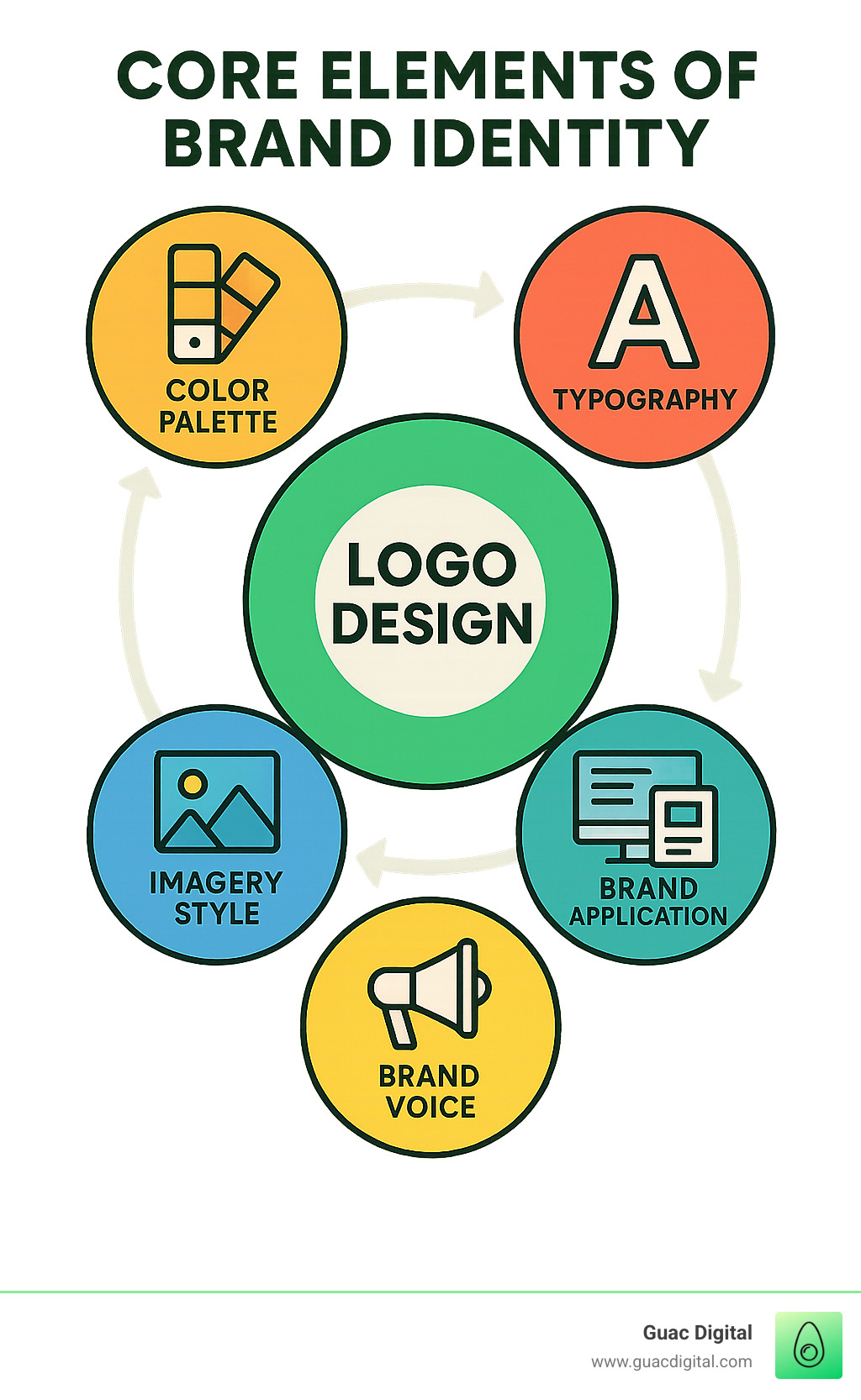
- Visual Identity: Designing logos, color palettes, typography, and imagery styles.
- Guideline Creation: Establishing rules for consistent brand application.
- Market Differentiation: Visually communicating a business’s unique value.
- Cross-Platform Consistency: Ensuring coherence across websites, packaging, and social media.
Unlike graphic designers who focus on specific visual tasks, brand designers think holistically about how every element supports business goals. As one industry expert puts it: “You can’t ‘opt-out’ of branding… Get branded or get labeled.” This captures the reality that every business has a brand—the only question is whether it’s intentional or accidental.
The role is vital, as a strong brand identity directly impacts customer loyalty and revenue. Consistent brand presentation can increase revenue by up to 23%, making brand designers essential strategic partners.
I’m Guy Leon, founder of Guac Digital. We’ve seen how strategic branding transforms customer relationships and business outcomes by creating authentic connections with target audiences.
The Architect of Identity: What is a Brand Designer?
Think of a brand designer as the architect of a company’s visual identity. They aren’t just picking trendy fonts or colors; these creative strategists dive deep into a business’s mission, values, and target audience. At Guac Digital, we’ve seen this strategic thinking transform businesses by asking the right questions: Who are you serving? What makes you different? How do you want people to feel?
The goal is to translate these insights into a visual language that creates genuine emotional connections. Every design element becomes part of a larger brand narrative that speaks directly to your customers.
What Does a Brand Designer Actually Do?
A brand designer’s work is a blend of detective work and creative genius. Projects often begin with a brand audit to assess your current market perception, followed by a competitor analysis to find a unique space for your brand to shine. As we know from our data-driven strategies, the best brands own their unique lane.
With a solid strategy, the designer develops your visual language. This includes creating versatile logo systems, using color psychology to evoke the right emotions, and selecting typography that matches your brand’s personality. Crucially, they also create brand guidelines—a visual rulebook that ensures every piece of marketing and every customer touchpoint feels cohesively you.
The Brand Designer vs. The Graphic Designer
This is a common point of confusion. What’s the difference between a brand designer and a graphic designer? Simply put, a brand designer is the architect who designs the entire system, while a graphic designer executes specific projects within that system.
The brand designer focuses on holistic strategy and long-term vision, building the visual foundation that supports your business goals. A graphic designer is a master of execution, applying that system to create beautiful marketing materials like brochures, ads, and social media posts. Both roles are vital, but they serve different functions: one is about building the system, and the other is about using the system.
Understanding this is key to achieving brand consistency, which builds the trust and recognition essential for business success. To see how this fits into a broader strategy, learn more about what is a digital marketing agency and how branding integrates with your digital presence.
The Designer’s Toolkit: Skills, Software, and Process
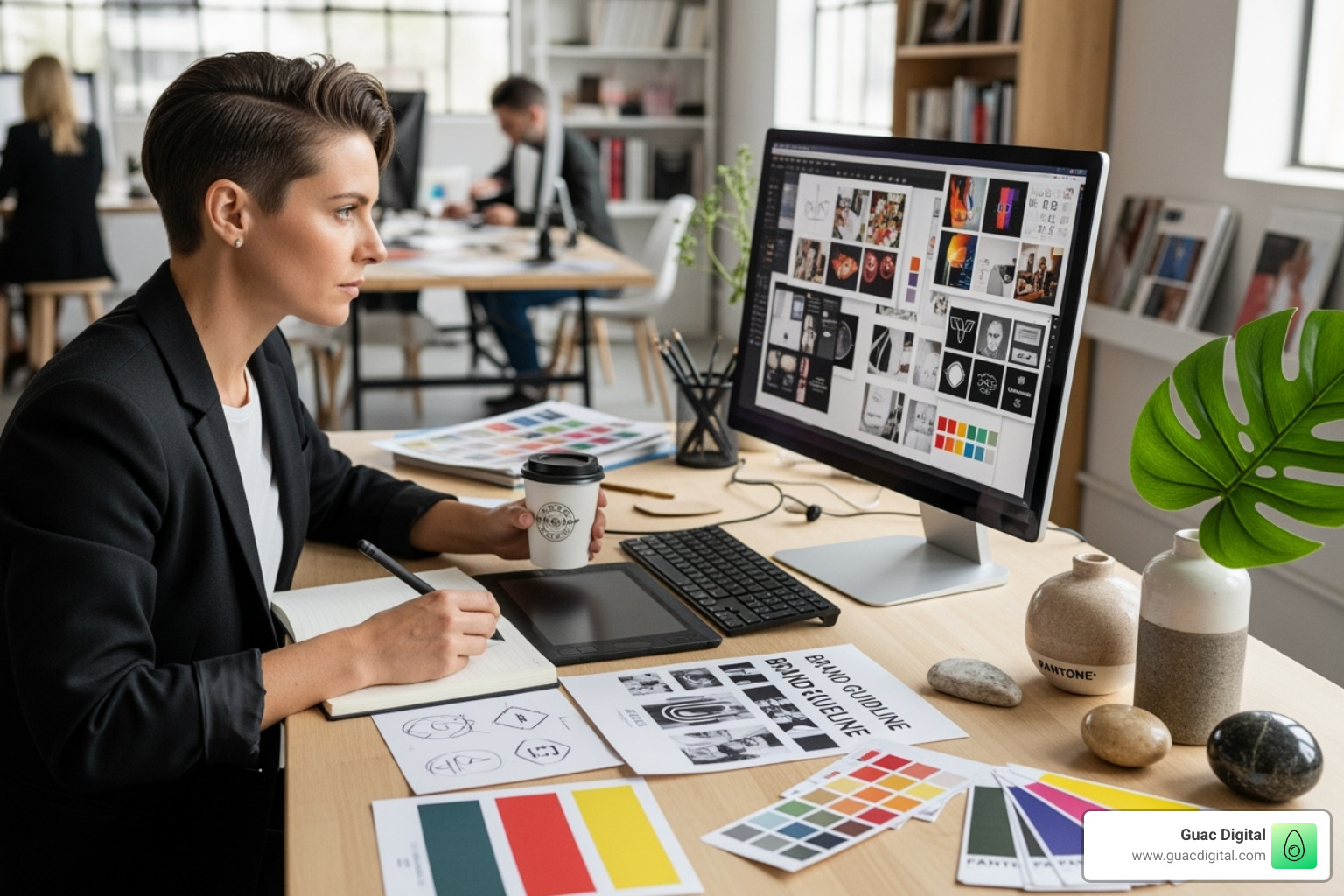
A brand designer needs more than artistic flair; they combine creative vision with sharp strategic thinking. They require empathy to understand customers, communication skills to explain their choices, and business acumen to create brands that drive results. Attention to detail is non-negotiable.
Essential Skills for a Successful Brand Designer
At Guac Digital, we look for designers with a specific mix of skills:
- Strategic Thinking: Understanding how design impacts business objectives and the bottom line.
- UX/UI Principles: Knowing how users interact with digital platforms is essential, as visual identity must work seamlessly with user experience.
- Copywriting Basics: Understanding brand voice and messaging to create visuals that complement the text.
- Project Management: Juggling timelines, managing expectations, and collaborating effectively with teams.
- Adaptability: Staying ahead of design trends, new tools, and evolving platforms. A modern brand must support digital marketing efforts, including how to boost your online presence with professional seo services.
Common Tools of the Trade
Every brand designer has an essential software toolkit:
- Adobe Creative Suite: Illustrator for logos and vectors, Photoshop for image editing, and InDesign for layouts and brand guidelines remain industry standards.
- Figma: This cloud-based tool is now essential for collaborative design and prototyping, especially for digital touchpoints.
- Webflow: A game-changing platform that allows designers to build responsive websites without code, bridging the gap between design and development.
- Other Tools: Procreate is popular for digital sketching, while platforms like Frontify help manage brand assets for larger organizations.
The Creative Process: From Brief to Brand
Creating a brand identity follows a systematic process that turns business goals into a visual language.
- Findy and Research: We dive deep into the business, industry, audience, and competition through audits, interviews, and analysis.
- Strategy and Positioning: This research is translated into a blueprint defining the brand’s mission, vision, values, and personality.
- Identity Design and Development: Armed with a strategy, the designer creates the visual elements: logo concepts, color palettes, typography, and imagery styles.
- Implementation and Rollout: Once approved, we prepare all assets and develop comprehensive brand guidelines to ensure consistency.
- Feedback and Revisions: Collaboration is key. We present work, explain the reasoning, and incorporate feedback thoughtfully throughout the process to ensure the final brand serves the client’s needs. This structured approach connects directly to how we optimize website design, ensuring every touchpoint aligns with the core identity.
The Strategic Role of a Professional Brand Designer
A brand designer’s work is fundamentally strategic, directly impacting a company’s bottom line. They are instrumental in building brand equity, fostering customer loyalty, and driving business growth. A powerful brand identity acts as a silent salesperson, attracting and retaining customers while enabling a business to grow its market share.
How Branding Drives Business Success
Investing in professional brand design translates into tangible business outcomes:
- Builds Trust and Credibility: A consistent, professional identity signals reliability and competence.
- Increases Recognition and Recall: A unique identity helps businesses stand out and be remembered.
- Commands Premium Pricing: Strong brands are often perceived as higher quality, allowing companies to charge more.
- Attracts and Retains Talent: A strong brand with a clear vision makes a company an attractive place to work.
- Improves Marketing ROI: A unified brand identity makes marketing efforts more effective, leading to higher conversion rates and a better return on investment.
Examples of Impactful Brand Design
History is filled with examples of brilliant brand design propelling companies to success:
- Apple: Its minimalist ecosystem and consistent visual language have created one of the most powerful brands globally, embodying an experience and perceived status.
- Dove: The “Real Beauty” campaign, supported by a simple logo and clean aesthetic, redefined the brand by promoting inclusivity and creating a deep emotional connection with consumers.
- S’well: This company turned a utilitarian water bottle into a fashion statement with a distinctive brand appearance based on simple lines and unique use of color and patterns.
These examples, and the work of renowned agencies like Pentagram, Wolff Olins, Landor & Fitch, and Interbrand, highlight that great brand design does the selling for you. It builds trust and fosters loyalty, leading to profitability and recognition.
While AI-powered tools like Brandmark.io and Looka offer fast, affordable logo generation for businesses on a tight budget, they often lack the strategic depth, originality, and nuance that a professional human brand designer provides. They can generate visuals, but they can’t craft a brand narrative or ensure long-term strategic alignment.
The Brand Design Profession: Career and Future Outlook
The world of brand design is a strategic career path with growing demand across all industries. Whether freelancing, in an agency, or in-house, brand designers have flexible career options to shape around their strengths and interests.

A Typical Career Path
The journey from newcomer to creative leader generally follows a clear progression:
- Junior Designer: Learning the ropes, honing technical skills, and working on real client projects.
- Mid-Level Brand Designer: Leading smaller projects, interacting with clients, and developing a unique design voice.
- Senior Brand Designer: Mentoring others, leading major projects, and focusing on strategic thinking.
- Lead/Manager Roles: Progressing to Lead Brand Designer, Design Manager, Art Director, or Creative Director involves more project and team management, setting the overall creative vision.
Many experienced designers also move into consulting or freelance work for greater flexibility or specialize in niche areas like packaging or digital branding. Salaries are competitive and grow significantly with experience and leadership responsibilities.
Trends and the Future of Brand Design
The future of brand design is dynamic, shaped by technology and evolving consumer expectations.
- AI in Design: Tools like Looka are becoming assistants, handling repetitive tasks so designers can focus on high-level strategy and creativity that only humans can provide.
- Motion Branding: Static logos are giving way to animated identities that bring brands to life on social media, websites, and video.
- Sustainable and Ethical Branding: Consumers increasingly support brands that align with their values, making it crucial for designers to communicate a company’s commitment to doing good.
- Personalized Brand Experiences: Using data, brands can create customized experiences while maintaining a cohesive core identity, requiring flexible design systems.
- Immersive Design (AR/VR): As AR and VR become mainstream, designers will need to think beyond flat screens and consider how brands exist in 3D virtual spaces.
The profession is evolving, but brand designers who accept new tools and maintain sharp strategic thinking will remain at the forefront of innovative marketing.
Frequently Asked Questions about Brand Designers
We understand that hiring a brand designer is a significant investment. Here are answers to the most common questions we receive at Guac Digital.
How do I effectively collaborate with a brand designer?
Success depends on partnership. Start with a crystal-clear brief detailing your goals, audience, and competitors. Trust their expertise, but provide specific, constructive feedback focused on business objectives, not just personal taste. Maintain open communication, respect the creative process, and be open to new ideas that can set your brand apart.
What are the key elements of a strong brand identity?
A strong brand identity is a complete system that tells your story consistently. Key elements include:
- A memorable logo: The visual cornerstone of your brand.
- A strategic color palette: To evoke emotion and ensure recognition.
- Distinctive typography: To convey your brand’s personality.
- Consistent imagery and iconography: To tell your story visually.
- A unique brand voice and tone: To define how you communicate in words.
- A comprehensive brand style guide: The rulebook that ties all elements together and ensures consistency.
How much does it cost to hire a brand designer?
The cost of hiring a brand designer varies widely, much like buying a car. Factors include the designer’s experience level, the scope of work, and even location. A simple logo might cost $500-$3,000, while a full brand identity package from an experienced designer or agency can range from $15,000 to $50,000+.
Designers typically use project-based fees, hourly rates, or retainers. While the upfront cost can seem significant, professional brand design is an investment that pays for itself by building customer loyalty, justifying premium pricing, and making all your marketing more effective. For more context on marketing investments, our guide on how much marketing agencies charge can be helpful.
Investing in a professional brand designer is investing in your business’s future profitability and success.
Conclusion: Build a Brand That Lasts
In today’s crowded marketplace, a strong brand is essential. A brand designer is your most valuable strategic partner, translating your business vision into a visual language that connects with customers. They go beyond aesthetics to build the entire foundation—the visual DNA that guides every customer interaction.
The skills, tools, and strategic processes we’ve explored all serve one purpose: to create brands that drive real business results. The investment in professional brand design pays for itself through customer recognition, trust, and loyalty.
The profession continues to evolve with AI tools, motion branding, and a focus on sustainability. Businesses that invest in professional brand design are positioning themselves for long-term success in a changing world.
At Guac Digital, we’ve witnessed how powerful branding transforms businesses. Based in Tampa, Florida, we create custom digital campaigns and websites for clients worldwide, and our strategies always start with a brand that truly resonates.
Your brand is the soul of your business. Investing in a professional brand designer isn’t an expense; it’s the foundation for everything you’ll build.
Ready to build a brand that resonates and stands the test of time? Explore our branding services and let’s create something unforgettable together.