
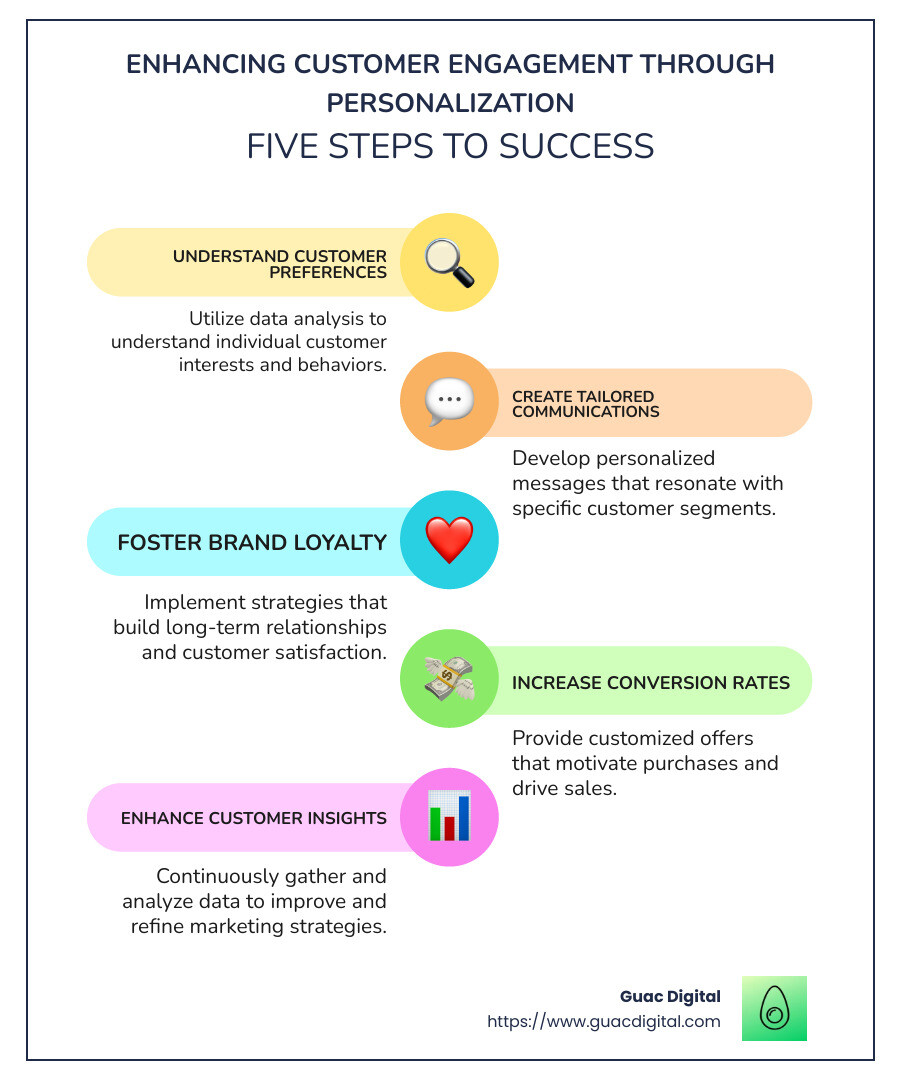
Personalized marketing solutions offer a powerful method for businesses to connect genuinely with their customers. By leveraging data-driven campaigns, companies can create custom experiences that resonate with individual preferences and behaviors. This approach improves customer engagement and fosters brand loyalty, making it a cornerstone of modern marketing strategies.
- Increased Customer Engagement: Customized experiences make customers feel valued and understood, increasing interaction rates.
- Improved Brand Loyalty: Personal touches can turn occasional buyers into lifelong supporters.
- Higher Conversions: Personalized offers and recommendations can significantly boost sales.
- Improved Customer Insights: Data-driven strategies enable businesses to understand and anticipate customer needs better.
In the field of marketing, personalization is key. As Simon Sinek suggests, understanding the ‘why’ behind your customer’s needs can open up profound insights often overlooked. Companies like Alibaba and Penguin Random House demonstrate how tailoring offers can convert interest into action.
With over a decade of expertise in digital marketing, I am Guy Leon, founder of Guac Digital. Our team has successfully harnessed personalized marketing solutions to lift our clients’ brand visibility and effectiveness, achieving remarkable results.
What is Personalized Marketing?
Personalized marketing is a strategy that uses data to tailor marketing efforts to individual customers. It’s all about understanding each customer’s preferences, behaviors, and past interactions to create a unique experience. Let’s break it down:
Data Analysis
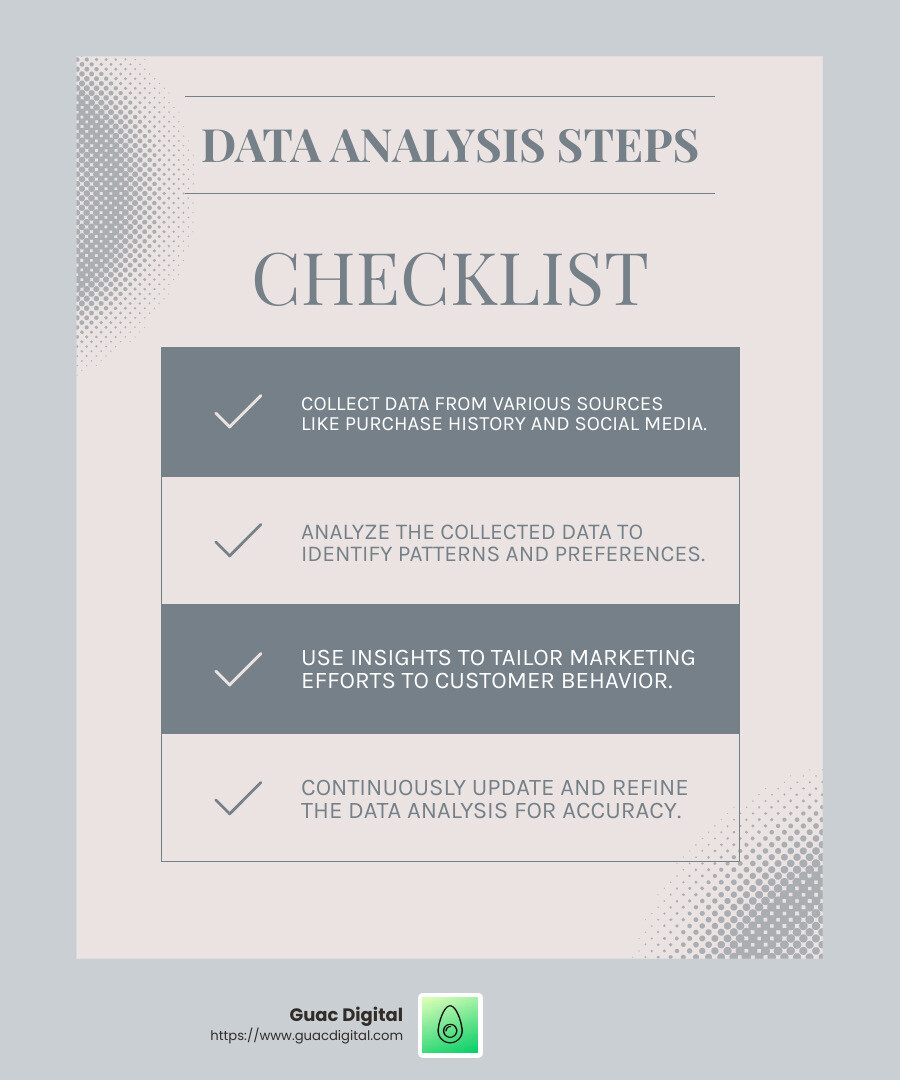
The backbone of personalized marketing is data. Businesses collect information from various sources—like purchase history, website interactions, and social media activity. This data is then analyzed to identify patterns and preferences. For example, if a customer frequently buys sneakers, a retailer might recommend new sneaker releases or offer exclusive discounts on them.
Customer Preferences
Understanding what customers like or dislike is crucial. By analyzing preferences, businesses can offer products and services that align with what customers are most interested in. This is more than just knowing a customer’s favorite color; it’s about understanding their lifestyle, values, and needs.
Custom Communications
Once preferences are understood, businesses can craft custom communications. This means sending the right message at the right time through the right channel. For instance, a personalized email with a special offer on a customer’s birthday can make them feel valued and appreciated.
Customer Experience
The ultimate goal of personalized marketing is to improve the customer experience. When marketing feels custom, customers are more likely to engage and stay loyal to a brand. A seamless experience across all platforms—be it in-store, online, or on mobile—ensures that customers receive consistent and relevant interactions.
Customers expect brands to know them well. A study by Twilio found that 66% of consumers will abandon a brand if they don’t get a personalized experience. This highlights the importance of personalized marketing solutions in meeting customer expectations and driving business success.
Benefits of Personalized Marketing Solutions
Improved Customer Experience
Personalized marketing solutions improve the customer experience by making each interaction feel unique and relevant. When customers receive messages and offers that align with their interests and needs, they feel understood and valued. This is more than just a nice-to-have; it’s a necessity. According to a study by Twilio, 66% of consumers will abandon a brand if their experience isn’t personalized.
Think of it like having a personal shopper who knows your style and preferences. This custom approach not only makes shopping more enjoyable but also builds a stronger connection between the customer and the brand.
Increased Revenue
Personalization directly impacts the bottom line. By delivering relevant content and offers, businesses see a significant boost in sales and conversion rates. For example, companies that have implemented personalized marketing have reported a 565% higher conversion rate. This isn’t surprising when you consider that 63% of consumers are more likely to purchase from brands that offer personalized experiences.
Moreover, personalization can lead to a 39% year-over-year revenue increase. This shows that investing in understanding and meeting customer needs pays off in tangible financial returns.
Brand Loyalty
Building brand loyalty is another significant benefit of personalized marketing. When customers feel recognized and appreciated, they are more likely to return. Loyalty programs, for instance, reward customers for their continued patronage, further strengthening this bond.
A personalized approach also means that brands can engage customers through stories and content that resonate with them. As Nate Lorenzen from Dysrupt puts it, “Personalization is about making each consumer feel understood and valued.” This emotional connection fosters long-term loyalty and turns customers into brand advocates.
Consistency Across Channels
Consistency is key in delivering a seamless customer experience across various platforms. Whether it’s in emails, mobile apps, or social media, personalized marketing ensures that customers receive consistent messages custom to their preferences. This cross-channel consistency is crucial as consumers often move between different platforms.
For example, Starbucks uses customer data to send timely offers through their app and emails, ensuring a consistent and personalized experience. By maintaining this level of consistency, brands can keep their messaging relevant and cohesive, which helps in building trust and reliability with their audience.
In summary, personalized marketing solutions offer numerous benefits, from improving customer experiences to driving revenue and fostering brand loyalty. As we explore further, we’ll see how different industries can leverage these solutions to meet their unique needs.
Types of Personalized Marketing
When it comes to personalized marketing, there are several approaches businesses can take to connect with their audience. Let’s explore some key types: push-based marketing, pull-based marketing, dynamic content, and segmentation.
Push-Based Marketing
Push-based marketing is all about proactively reaching out to customers with custom messages. Think of it as a friendly nudge. This approach uses data to send personalized offers and updates directly to the consumer, usually through channels like email or mobile notifications.
For instance, an online retailer might send an email with special discounts on items a customer has previously browsed. This method keeps the brand top-of-mind and encourages immediate action.
Pull-Based Marketing
On the flip side, pull-based marketing focuses on drawing in customers by providing content that attracts their interest. It’s like setting up a well-stocked library and inviting people to explore. This strategy often involves creating engaging content that aligns with the consumer’s preferences and encourages them to seek out the brand.
A great example is content marketing, where businesses create blog posts, videos, or social media content that resonates with their target audience, prompting them to engage and learn more.
Dynamic Content
Dynamic content is a game-changer in personalized marketing. It allows businesses to tailor the content a user sees based on their behavior, preferences, or demographics. This means that two people visiting the same webpage might see different content based on their unique profiles.
Netflix is a master at this. Their recommendation engine uses dynamic content to suggest shows and movies based on what you’ve watched before. This personalization keeps viewers engaged and coming back for more.
Segmentation
Segmentation involves dividing a broad audience into smaller groups based on specific criteria, such as age, location, or buying behavior. This allows for more targeted and relevant marketing efforts.
For instance, a clothing brand might segment its audience into categories like “young professionals” or “retirees” and tailor its marketing messages to each group’s interests and needs. This approach ensures that the right message reaches the right people, increasing the chances of conversion.
By understanding and implementing these types of personalized marketing, businesses can create meaningful connections with their audience. Next, we’ll explore some real-world examples of successful personalized marketing campaigns.
8 Examples of Successful Personalized Marketing Campaigns
Personalized marketing is not just a buzzword; it’s a proven strategy that has transformed the way brands connect with their customers. Let’s look at eight standout examples that showcase the power of personalized marketing solutions.
Amazon
Amazon is a trailblazer in personalized marketing. Their recommendation system, which suggests products based on browsing history and previous purchases, is legendary. This approach not only improves the shopping experience but also boosts sales by offering customers items they’re likely to buy. Amazon’s use of data-driven insights to personalize the shopping journey is a key reason for its success.
Marie Curie
Marie Curie, a UK-based charity, used personalized maps in email campaigns to show supporters their nearest collection sites. By analyzing collection history and past interactions, they custom content to engage supporters more effectively. This strategy led to a significant increase in online registrations, highlighting the impact of personalization on engagement.
Starbucks
Starbucks keeps customers engaged with its gamified mobile app. By integrating their rewards system with drink customization options, Starbucks uses purchase history and location data to offer a highly personalized experience. This strategy has been a major success, driving millions of monthly sales and significantly boosting revenue.
Matsmart
Matsmart, a Swedish sustainable food retailer, used Facebook to raise awareness by segmenting audiences based on demographics. They ran dynamic ads featuring products custom to different user segments. This approach led to an 84% increase in website revenue, proving the effectiveness of audience segmentation in personalized marketing.
YW Istanbul
YW Istanbul helped Turkish food brand Bizim Mutfak increase social media engagement by tailoring content for different audience personas. By recruiting chefs to create traditional recipes and scheduling posts for optimal interaction times, they significantly boosted Instagram profile views and interactions. This campaign shows the power of understanding audience preferences for personalized content.
Netflix
Netflix’s personalization goes beyond recommendations. Their campaign for “Black Mirror” season 6 allowed fans to create personalized posters using their photos, which were then featured on billboards. This creative use of personalization captivated audiences and demonstrated how imaginative campaigns can improve engagement.
O2
O2, a UK telecommunications company, uses personalized marketing to improve customer loyalty. Through data analysis, they offer custom phone plans and promotions, ensuring customers get the best deals for their usage patterns. This approach not only retains customers but also strengthens brand loyalty.
Coca-Cola
Coca-Cola’s “Share a Coke” campaign personalized bottles with popular names, encouraging customers to find and share bottles with their names or those of friends and family. This simple yet effective personalization strategy created a buzz and increased sales, demonstrating how personalization can drive consumer engagement.
These examples illustrate that personalized marketing solutions can drive engagement, boost sales, and strengthen brand loyalty. Next, we’ll dive into how you can create a successful personalized marketing strategy for your business.
How to Create a Successful Personalized Marketing Strategy
Creating a successful personalized marketing strategy involves several key components: data collection, customer segmentation, dynamic content, and omnichannel marketing. Let’s break these down into simple steps.
Data Collection
The foundation of any personalized marketing strategy is robust data collection. You need to gather information about your customers to understand their preferences and behaviors. This can be done through various channels:
- Website analytics: Track user behavior, such as pages visited and time spent on site.
- Surveys and forms: Collect explicit data directly from your customers by asking them questions.
- Purchase history: Analyze past purchases to predict future buying patterns.
It’s crucial to maintain transparency and respect privacy when collecting data. Consumers are more likely to share information if they trust your brand. Always ask yourself, “Would I feel comfortable with this level of data collection?”
Customer Segmentation
Once you have collected data, the next step is to segment your customers into groups based on shared characteristics. This could include demographics, buying behavior, or interaction history. According to Adweek, 85% of brands use broad segmentation, which limits personalization. To stand out, aim for smart segmentation:
- Behavioral Segmentation: Group customers by their actions, such as frequent buyers or one-time visitors.
- Demographic Segmentation: Use age, gender, or location to tailor marketing efforts.
- Psychographic Segmentation: Consider values, interests, and lifestyles.
Smart segmentation allows you to tailor marketing messages more effectively, increasing the relevance and impact of your campaigns.
Dynamic Content
Dynamic content is content that changes based on the viewer’s profile or behavior. This could include personalized emails, product recommendations, or website banners. For instance, Amazon’s recommendation engine is a perfect example of dynamic content in action, suggesting products based on user behavior.
To implement dynamic content:
- Use personalization engines to automate content changes.
- Ensure that the content is relevant and adds value to the customer experience.
- Regularly test and optimize the content to improve performance.
Dynamic content keeps your marketing fresh and engaging, ensuring that each customer feels valued and understood.
Omnichannel Marketing
Finally, a successful strategy must be omnichannel, meaning it provides a seamless experience across all customer touchpoints. Whether your customers interact with your brand via email, social media, or in-store, they should receive a consistent and personalized experience.
To achieve this:
- Integrate your marketing channels to share data and insights.
- Use CRM systems to maintain a unified customer view.
- Ensure that your messaging is consistent and custom across all channels.
By adopting an omnichannel approach, you can improve customer satisfaction and loyalty, as they receive a cohesive experience no matter how they engage with your brand.
By focusing on these four components, you can craft a personalized marketing strategy that not only meets but exceeds customer expectations. Next, we’ll explore how different industries can leverage personalized marketing solutions to drive success.
Personalized Marketing Solutions for Different Industries
Personalized marketing solutions are not a one-size-fits-all strategy. Different industries have unique needs and opportunities for personalization. Let’s explore how various sectors can leverage these solutions effectively.
Ecommerce
In ecommerce, personalization is key to enhancing the shopping experience. Companies like Amazon have set the standard with their recommendation engines. By analyzing customer data, ecommerce platforms can suggest products that align with individual preferences.
- Product Recommendations: Use algorithms to suggest items based on browsing history and previous purchases.
- Personalized Emails: Send custom promotions and product updates to keep customers engaged.
This approach not only increases sales but also builds customer loyalty.
Retail
Retailers can use personalization to create a unique in-store and online experience. By understanding customer preferences, retailers can tailor promotions and inventory.
- Loyalty Programs: Offer personalized rewards based on purchase history.
- In-Store Experience: Use mobile apps to provide personalized offers when customers are near a store.
This strategy helps in creating a seamless shopping experience, driving both foot traffic and online sales.
Entertainment
The entertainment industry thrives on personalization. Platforms like Netflix use AI to recommend shows and movies based on viewing habits. This keeps viewers engaged and subscribed.
- Content Recommendations: Use AI to suggest content that matches user preferences.
- Personalized Notifications: Alert users about new releases that fit their interests.
This level of personalization keeps users hooked and reduces churn rates.
Non-Profit
Non-profits can use personalized marketing to strengthen donor relationships. Understanding donor interests and past contributions allows for more meaningful engagement.
- Targeted Campaigns: Reach out to donors with causes that resonate with their past contributions.
- Personalized Thank Yous: Show appreciation with personalized messages and updates on how their donations are making an impact.
This approach helps in building a loyal donor base and increasing contributions.
Food and Beverage
The food and beverage industry can use personalization to cater to individual tastes and dietary preferences. Restaurants and brands can leverage customer data to improve the dining experience.
- Menu Customization: Offer personalized menu suggestions based on past orders.
- Loyalty Offers: Provide discounts and promotions custom to frequent diners.
These strategies not only improve customer satisfaction but also encourage repeat business.
By understanding the unique needs of each industry, businesses can implement personalized marketing solutions that drive engagement, loyalty, and revenue. Next, we’ll explore the tools and technologies that make these solutions possible.
Tools and Technologies for Personalized Marketing
Personalized marketing is all about delivering the right message to the right person at the right time. To achieve this, businesses need the right tools and technologies. Let’s explore some of the key components that power personalized marketing solutions.
Data Analytics Platforms
Data is the backbone of personalized marketing. Data analytics platforms help businesses make sense of vast amounts of customer data. They analyze patterns and trends to provide insights into customer behavior and preferences.
- Advanced Analytics: Platforms use machine learning to uncover deep insights and predict future behaviors.
- Customer Insights: Identify what customers want and anticipate their needs.
Using these insights, companies can tailor their marketing efforts to meet specific customer needs, leading to better engagement and increased sales.
CRM Software
Customer Relationship Management (CRM) software is crucial for managing interactions with current and potential customers. It helps businesses maintain a single customer view, which is essential for personalization.
- Unified Customer Profiles: Store all customer data in one place for easy access and analysis.
- Automated Communication: Send personalized messages based on customer interactions and preferences.
By using CRM software, businesses can ensure consistent and personalized communication across all channels.
Data Management Platforms
Data Management Platforms (DMPs) collect and organize data from various sources. They are essential for creating comprehensive customer profiles and segmenting audiences for targeted marketing.
- Audience Segmentation: Group customers based on similar characteristics or behaviors.
- Data Integration: Combine data from multiple sources for a complete customer view.
DMPs help marketers understand their audience better, allowing for more precise targeting and personalization.
Personalization Engines
Personalization engines are the heart of personalized marketing. They use algorithms to deliver custom content and recommendations to individual users.
- Dynamic Content: Serve personalized content based on user behavior and preferences.
- Real-Time Personalization: Adapt marketing messages in real-time as users interact with your brand.
These engines enable businesses to provide a unique and engaging experience for each customer, boosting satisfaction and loyalty.
By leveraging these tools and technologies, businesses can implement effective personalized marketing solutions that resonate with their audience. Next, we’ll address some frequently asked questions about personalized marketing strategies.
Frequently Asked Questions about Personalized Marketing Solutions
What is a personalized marketing strategy?
A personalized marketing strategy tailors marketing efforts to individual customer needs and preferences. It involves using data to understand each customer’s behavior, preferences, and past interactions. This strategy helps businesses deliver content that feels custom-made for each person.
Why is it important?
Personalized marketing can significantly improve customer engagement and satisfaction. According to a study by Twilio, 66% of consumers will abandon a brand if they don’t receive a personalized experience. This means businesses that invest in personalization are more likely to retain customers and foster loyalty.
What are the types of personalized marketing?
Personalized marketing comes in several forms, each with its unique approach:
Push-Based Marketing: Delivers messages directly to customers, such as personalized emails or notifications. For example, Netflix sends personalized movie recommendations based on viewing history.
Pull-Based Marketing: Attracts customers by providing personalized content that they seek out, like customized landing pages or custom blog posts.
Dynamic Content: Adjusts the content a user sees based on their behavior. For instance, Amazon uses dynamic content to show product recommendations based on browsing history.
Segmentation: Divides customers into groups based on shared characteristics, such as demographics or purchase history, to tailor marketing efforts. Coca-Cola’s “Share a Coke” campaign is a classic example of segmentation based on names.
How does personalized marketing impact the customer experience?
Personalized marketing greatly improves the customer experience by making interactions more relevant and engaging. Here’s how:
Improved Relevance: Customers receive content and offers that match their interests and needs, making them feel understood and valued. This relevance is crucial as 71% of customers expect customized interactions, according to McKinsey.
Increased Satisfaction: When customers feel that a brand understands them, their satisfaction increases. This leads to higher retention rates and brand loyalty.
Consistency Across Channels: Personalized marketing ensures a seamless experience across all touchpoints, whether it’s in-store, online, or through social media. This consistency strengthens the brand-customer relationship.
By focusing on these aspects, businesses can create a compelling and memorable customer journey, leading to more meaningful connections and better business outcomes.
Next, we’ll explore how to create a successful personalized marketing strategy custom to your business needs.
Conclusion
At Guac Digital, we believe in the transformative power of personalized marketing solutions. Our approach is simple yet effective: we use big data and programmatic marketing to craft strategies that resonate with each client’s unique needs. This isn’t just about delivering messages; it’s about creating experiences that speak directly to the individual customer.
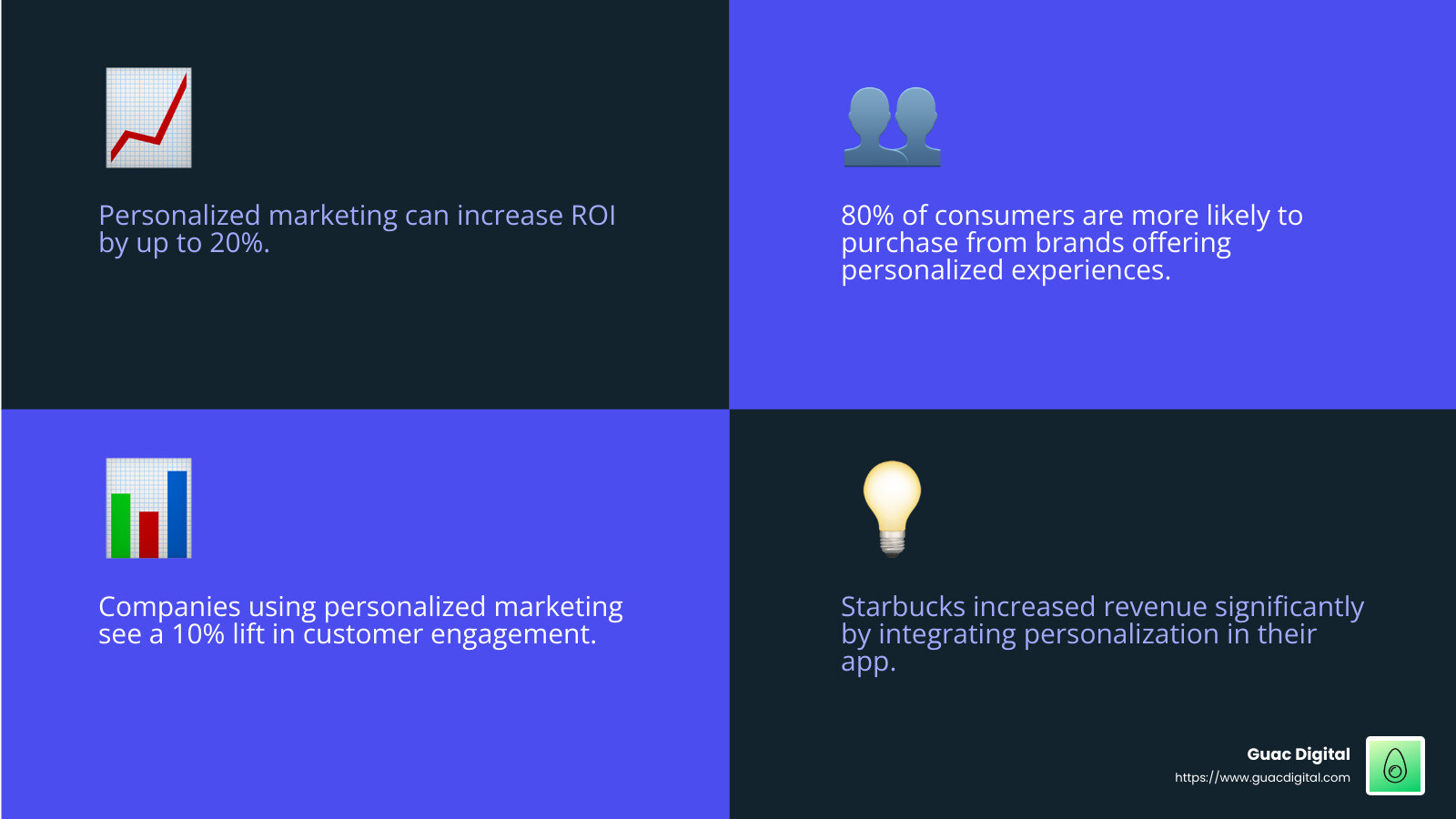
Why does this matter? Because personalized strategies lead to high ROI. By understanding and anticipating customer needs, businesses can engage more effectively, driving both sales and brand loyalty. Take Starbucks, for example. By integrating their rewards system with personalized app experiences, they saw a significant revenue boost, demonstrating the power of custom marketing.
Programmatic marketing plays a crucial role in this personalization. It allows us to automate and optimize the delivery of personalized content, ensuring that the right message reaches the right person at the right time. This precision is key in today’s digital world, where customer expectations are higher than ever.
In a world overflowing with information, standing out requires more than just being seen. It requires being relevant. At Guac Digital, our focus on personalized strategies ensures that our clients not only meet but exceed these expectations. By doing so, we help them build stronger, lasting relationships with their audiences.
In conclusion, the future of marketing is personal. By embracing personalized marketing solutions, businesses can open up new levels of engagement and success. At Guac Digital, we’re here to guide you on this journey, leveraging our expertise to deliver results that matter.