
How to Start an Influencer Marketing Agency: 10 Proven Success Steps 2025
Why the Influencer Marketing Industry is Exploding Right Now
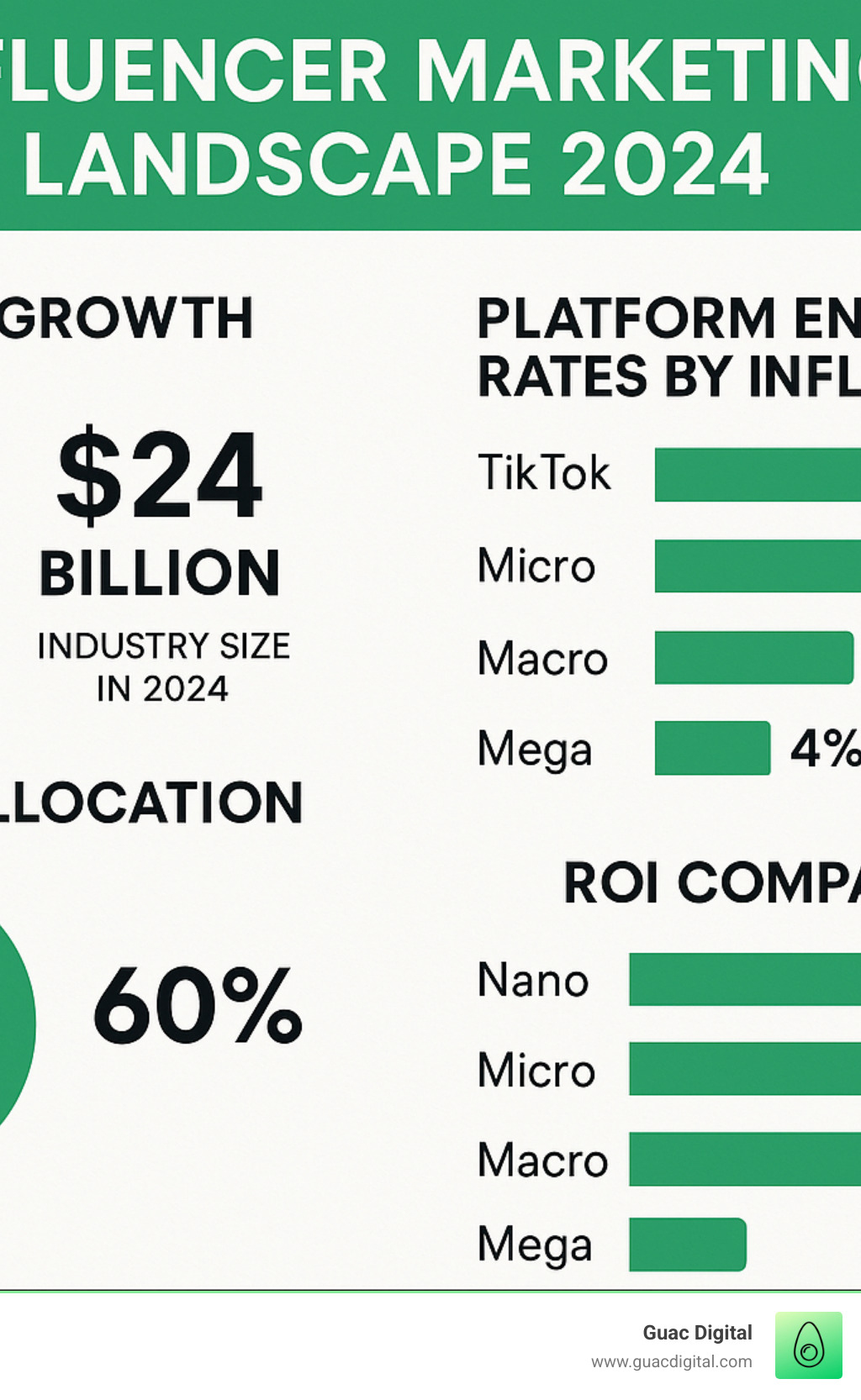
How to start an influencer marketing agency is becoming one of the most searched business questions of 2024, and for good reason. The influencer marketing industry is expected to reach $24 billion in 2024, with over 80% of marketers now considering influencers essential to their social media strategy.
Here’s your quick roadmap to launch:
Essential Steps to Start Your Agency:
1. Choose your niche – Focus on specific platforms or industries
2. Set up legally – Register as LLC, get EIN, open business bank account
3. Build your network – Start with nano-influencers (1K-10K followers)
4. Create pricing model – Standard 20% commission or retainer structure
5. Launch with portfolio – Use mock campaigns or pro bono work initially
6. Scale systematically – Add team members and enterprise clients
The timing couldn’t be better. 69% of brands now use TikTok for influencer campaigns, while 44% prefer nano-influencers over celebrity partnerships. TikTok nano-influencers achieve an impressive 18% engagement rate – far exceeding Instagram’s 5% and YouTube’s 3.5%.
Even better? 60% of marketers plan to increase their influencer budgets this year, making it the marketing channel with the highest ROI.
The creator economy boom has shifted from celebrity endorsements to authentic micro-creators who build genuine trust with niche audiences. Gen Z’s preference for TikTok findy over Google search has created massive opportunities for agencies that understand platform-specific strategies.
I’m Guy Leon, founder and CEO of Guac Digital, where we’ve helped clients achieve a 350% increase in engagement through strategic digital campaigns. My experience building data-driven marketing solutions directly applies to how to start an influencer marketing agency that delivers measurable results for both creators and brands.
Quick look at how to start an influencer marketing agency:
– how to start a digital marketing agency with no experience
– how do marketing agencies make money
– how much do marketing agencies charge
Influencer Marketing Agency 101
Think of an influencer marketing agency as the ultimate matchmaker – but instead of finding love, we’re connecting brands with content creators who can authentically tell their story. As someone who’s built campaigns that delivered 350% engagement increases, I can tell you that the magic happens when the right creator meets the right brand at the right moment.
How to start an influencer marketing agency begins with understanding what these agencies actually do. We’re not just middlemen taking a cut – we’re strategic partners who transform scattered social media efforts into cohesive, measurable campaigns that drive real business results.
The secret sauce lies in what industry pros call the “3 R’s”: Reach (how many people see the content), Relevance (whether those people actually care about the brand), and Resonance (if the message creates genuine connection). Most brands focus only on reach, but the real ROI comes from that sweet spot where all three align perfectly.
Here’s why this industry is so powerful: 69% of consumers trust influencer recommendations more than traditional advertising. Even more impressive? 49% of people make purchases monthly based on what influencers share. When someone you follow and trust recommends a product, it doesn’t feel like advertising – it feels like advice from a friend.
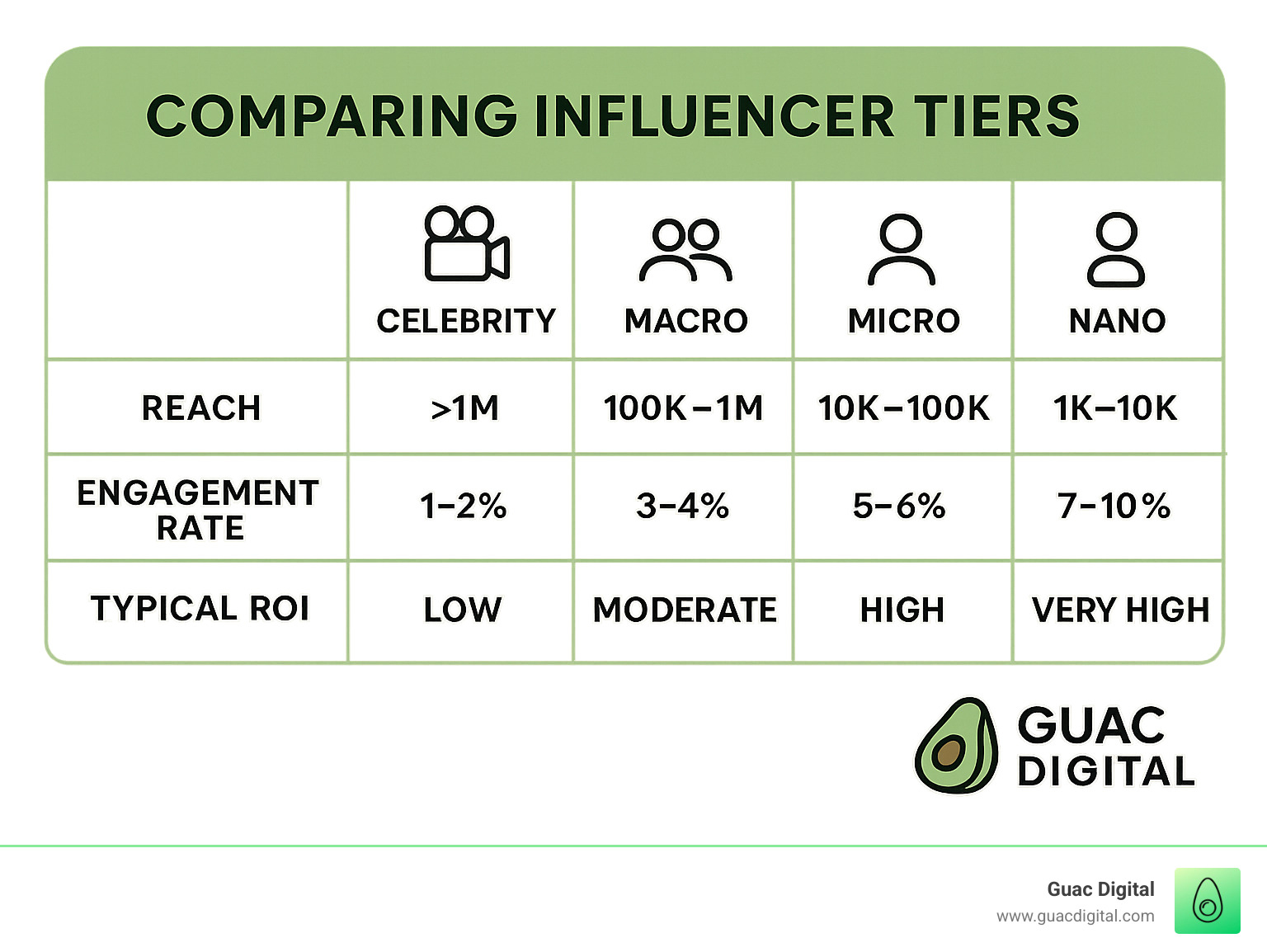
The influencer landscape has completely democratized over the past few years. Nano-influencers with 1K-10K followers typically charge $10-$50 per post, while micro-influencers (10K-100K followers) command $15-$110 per post. Macro-influencers with 100K+ followers charge $185-$2,500 per post, and mega-influencers with 1M+ followers start at $1,200+ per post.
What’s fascinating is that bigger isn’t always better. Those nano-influencers often deliver the highest engagement rates and most authentic connections with their audiences. For current rate benchmarks, the Instagram influencer rate map and Influencer Marketing Hub benchmark report provide excellent industry insights.
What Services Does an Influencer Marketing Agency Provide?
When you’re figuring out how to start an influencer marketing agency, understanding the full service scope is crucial. Most successful agencies offer six core services that brands desperately need but struggle to handle in-house.
Strategy and campaign design forms the foundation. We dive deep into brand goals, target audiences, and budget realities to create comprehensive influencer strategies. This isn’t just picking popular creators – it’s about platform selection, content themes, campaign timelines, and measurable objectives that align with business goals.
Influencer sourcing and vetting separates professional agencies from amateur efforts. Using sophisticated tools like HypeAuditor and BuzzSumo, we identify creators who genuinely match brand values and audience demographics. More importantly, we verify engagement authenticity and review past collaboration performance to avoid costly mistakes.
Contract negotiation handles all the legal complexities that give brands nightmares. From initial outreach to final agreements, we manage usage rights, deliverable specifications, payment terms, and FTC compliance requirements. This protects both brands and creators while ensuring everyone knows exactly what’s expected.
Content brief development requires a delicate balance. We create detailed creative guidelines that maintain brand consistency while preserving each influencer’s authentic voice. This balance is absolutely critical – too restrictive and the content feels fake, too loose and brand messaging gets lost.
Paid advertising integration has become increasingly important. Many agencies now offer “allowlisting” services, where influencer content becomes paid social ads for extended reach and better attribution tracking. This amplifies organic performance and provides clearer ROI measurement.
Logistics and fulfillment covers all the behind-the-scenes coordination. We manage product shipping, coordinate photo shoots, track deliverables, and ensure content goes live according to campaign schedules. These operational details can make or break campaign success.
Why 2024 Is the Perfect Time to Launch
The market conditions for starting an influencer marketing agency have reached a perfect storm of opportunity. 60% of brands plan to increase their influencer marketing budgets in 2024, creating unprecedented demand for professional agency services that simply didn’t exist five years ago.
TikTok’s explosive growth has completely reshaped the landscape. With 69% of brands now running TikTok campaigns, there’s massive opportunity for agencies that understand platform-specific content strategies. The shift toward short-form video content requires specialized expertise that most brands lack internally, creating a huge service gap for savvy agencies to fill.
The nano-influencer trend presents particularly exciting opportunities. These creators with 1K-10K followers achieve 18% engagement rates on TikTok compared to just 5% on Instagram. Brands are finally recognizing that smaller, highly engaged audiences often deliver better ROI than expensive celebrity partnerships.
This shift means that agencies can start smaller and scale more efficiently than ever before. Instead of needing million-dollar celebrity budgets, you can create impactful campaigns with nano and micro-influencers while building your track record and expertise.
Market Research & Choosing Your Niche
The foundation of how to start an influencer marketing agency begins with understanding your market landscape. Think of this phase as your detective work – you’re uncovering opportunities that others might have missed.
Start with competitive analysis using tools like Semrush to see what other agencies are doing. Look for the gaps where brands are struggling to find the right expertise. Maybe there’s a shortage of agencies specializing in B2B tech influencers, or perhaps no one in your area really understands TikTok’s algorithm for local businesses.
The most successful agencies we’ve seen focus on specific niches rather than trying to be everything to everyone. Beauty and fitness remain popular verticals, but we’re seeing huge opportunities in sustainable brands, fintech, and B2B software. Platform specialization can be equally powerful – an agency that truly masters TikTok’s unique content style can command premium rates.
At Guac Digital, we apply the same data-driven approach to influencer research that we use for programmatic marketing. Instead of guessing what works, we dig into the numbers to find trending content themes, optimal posting schedules, and audience behavior patterns. This analytical foundation has helped our clients achieve those impressive engagement increases. Learn more about our approach with data-driven strategies.
The key is finding where your interests, skills, and market demand intersect. If you have a background in fitness and notice that nano-influencers in wellness are underserved, that could be your sweet spot.
Conducting Quantitative & Qualitative Research
Research might sound boring, but it’s actually where you find your competitive advantage. The magic happens when you combine hard numbers with real human insights.
Your quantitative research should include Google Trends analysis to spot emerging influencer niches before they become saturated. Dive into social media analytics to understand which content types drive the highest engagement. Study competitor pricing and look at how platform algorithm changes affect reach and visibility.
But numbers only tell half the story. Qualitative research brings the human element that makes campaigns truly resonate. We recommend conducting interviews with both creators and brands in your target niche. Ask influencers about their biggest frustrations with brand partnerships. Survey brands about their current challenges with influencer marketing ROI.
Focus groups with target demographics reveal crucial trust factors that influence purchasing decisions. Case study analysis of successful campaigns in your niche shows you what actually works versus what just looks good on paper.
The combination approach has been game-changing for our strategy development. For example, quantitative data might show growing demand for B2B influencer content, while qualitative research reveals that brands in this space struggle most with measuring campaign effectiveness – giving you a clear service opportunity to address.
Defining a Unique Selling Proposition
Your unique selling proposition is what makes potential clients choose you over the dozens of other agencies they could work with. It’s not enough to just say you’re “better” – you need to be specifically, memorably different.
Vertical expertise can be incredibly powerful. Positioning as “the only influencer agency specializing in sustainable fashion brands” immediately tells prospects whether you’re right for them. Platform mastery works similarly – “TikTok campaign specialists delivering 3x industry-average engagement” speaks directly to brands struggling with that platform.
Some agencies build their USP around technology integration, using AI-powered influencer matching or proprietary analytics dashboards. Others focus on geographic specialization – becoming the go-to experts for connecting local businesses with regional creators.
At Guac Digital, our USP centers on data-driven personalization, and we apply this same principle to influencer matching. Rather than surface-level demographics, we use analytics to ensure creator-brand alignment includes shared values, complementary content styles, and audience behavior patterns that actually drive conversions.
Your USP should feel authentic to your background and genuinely solve a problem that keeps your ideal clients awake at night. When you nail this positioning, marketing becomes so much easier because you’re speaking directly to people who desperately need exactly what you offer.
How to Start an Influencer Marketing Agency: The 10-Step Blueprint
Starting your own influencer marketing agency might seem overwhelming, but it’s absolutely achievable with the right roadmap. I’ve seen countless entrepreneurs transform their passion for social media into thriving businesses that connect brands with authentic creators.
The secret sauce? Systematic planning and smart execution. Most successful agencies begin with six months of operating expenses saved and a crystal-clear revenue model. Industry veterans typically charge 20% commission rates, though monthly retainer models ranging from $2,000 to $10,000 are becoming increasingly popular with established clients.
Before diving deeper, grab these essential resources: the IRS EIN guide for tax setup, and our comprehensive guide on Understanding the Services of a Digital Marketing Agency to help position your services effectively.
Let’s walk through each step of how to start an influencer marketing agency that actually makes money.
Step 1 – Ideation & Validation: how to start an influencer marketing agency from zero
Every successful agency starts by solving real problems. Before you register your business name or design a logo, you need to understand exactly what pain points you’re addressing in the influencer marketing world.
The most common challenges brands face include finding authentic creators who genuinely align with their values, not just their budget. Many companies also struggle with measuring ROI effectively and managing the time-consuming back-and-forth that creator partnerships require. Don’t forget about FTC compliance concerns – brands are genuinely worried about disclosure requirements and legal implications.
Here’s where a SWOT analysis becomes your best friend. Your strengths might include an existing network of creators, deep knowledge of specific platforms, or technical skills that competitors lack. Be honest about weaknesses like limited startup capital, no proven track record, or being a one-person operation initially.
The opportunities are massive right now – growing market demand, underserved niches like B2B influencer marketing, and platform shifts toward short-form video content. Threats include established agencies with deep pockets, potential economic downturns affecting marketing budgets, and unpredictable social media algorithm changes.
Create a lean canvas to map out your business model on a single page. This framework helps you validate assumptions before investing serious money. Test your concept by having genuine conversations with potential clients – their feedback will either confirm you’re on the right track or help you pivot early.
Step 2 – Legal & Financial Foundations: how to start an influencer marketing agency the compliant way
Getting your legal and financial house in order isn’t the most exciting part of starting an agency, but it’s absolutely critical for long-term success. Most agencies choose LLC structure for liability protection and tax flexibility. Once your revenue hits $60,000 annually, an S-Corp election can significantly reduce self-employment taxes.
Your legal document toolkit needs to include influencer agreements with crystal-clear usage rights and deliverable specifications. Brand client contracts should outline payment terms and performance expectations upfront. Don’t forget independent contractor agreements for freelance team members and basic privacy policies for your website.
Open a dedicated business bank account immediately – this isn’t optional. Mixing personal and business finances creates tax headaches and looks unprofessional when clients send payments. Set up accounting software like QuickBooks from day one to track every dollar coming in and going out.
Insurance might seem like an unnecessary expense, but it’s protection you can’t afford to skip. General liability insurance protects against client lawsuits, professional liability covers errors in your services, and cyber liability insurance is essential given how much sensitive data you’ll handle.
Here’s the reality about cash flow: 90% of agency invoices are paid late, and typical payment cycles run 30-60 days. Maintain six months of operating expenses in reserve to bridge these gaps without stress.
Step 3 – Branding, Website & Portfolio Launch
Your digital presence is often the first impression both creators and brands will have of your agency. A professional website isn’t just nice to have – it’s essential for establishing credibility in a competitive market.
Your website needs a clear value proposition that immediately communicates what makes your agency different. Include detailed service descriptions that help visitors understand exactly what they’re buying. A creator portfolio showcasing engagement metrics and real campaign results builds trust with potential brand clients.
Brand testimonials and case studies carry enormous weight, even if they’re from smaller local campaigns initially. Include contact forms for both influencers wanting to join your network and brands seeking partnership opportunities. A blog with industry insights demonstrates your expertise and helps with search engine visibility.
Starting without existing campaigns? No problem. Offer pro bono services to local businesses in exchange for detailed case studies and testimonials. Create mock campaigns with comprehensive strategy documents and creative briefs to show your thinking process. Partner with micro-influencers on personal projects to generate real performance data.
Even documenting your own social media growth can serve as proof of concept, especially if you’re targeting small businesses that need education about social media marketing effectiveness.
Step 4 – Pricing & Revenue Models
Pricing your services correctly from the start sets the foundation for profitability. The influencer marketing industry has four main revenue models, each with distinct advantages.
Commission-based pricing remains most popular, with 20% of influencer fees being the industry standard. This ranges from 10-30% depending on services provided. The beauty of commission models is aligned incentives – when your clients succeed, you succeed. The downside is income variability and delayed payments that follow influencer payment schedules.
Monthly retainer models charge $2,000 to $10,000+ based on scope and include strategy development, campaign management, and detailed reporting. Retainers provide predictable revenue and often require upfront payment, but you’re locked into delivering specific scope regardless of results.
Hybrid approaches combine smaller monthly retainers with reduced commissions (10-15%). This balances revenue predictability with performance incentives and is increasingly popular with established agencies serving enterprise clients.
Project-based pricing works well for seasonal campaigns or product launches, with flat fees ranging from $5,000 to $50,000+ depending on scope and timeline. Clear deliverables and deadlines make project pricing straightforward for both parties.
For deeper insights into agency revenue strategies, check out our detailed guide on How Do Marketing Agencies Make Money?.
Step 5 – Building Your Core Team & Culture
Starting lean makes financial sense, but planning for strategic growth from day one ensures you can scale when opportunities arise. Your first hire should be an account manager who excels at client communication and project coordination – this frees you to focus on business development and strategy.
A creative strategist becomes essential as campaign complexity increases. They develop compelling campaign concepts and create detailed content briefs that maintain brand consistency while preserving creator authenticity. A data analyst transforms campaign metrics into actionable insights and ROI reports that justify client investments.
An influencer relations specialist manages creator outreach, relationship building, and ongoing communication. This role requires excellent interpersonal skills and deep understanding of creator motivations and preferences.
Document your processes early through standard operating procedures. Create templates for influencer vetting and onboarding, campaign brief development, content approval workflows, and performance reporting formats. These SOPs ensure consistency as your team grows and help new hires get up to speed quickly.
The influencer marketing industry values authenticity and creativity above corporate formality. Foster a supportive environment that encourages innovation while maintaining professional standards. Regular training on platform updates and industry trends keeps everyone current in this rapidly evolving space.
At Guac Digital, we’ve learned that team culture directly impacts client results. When your team genuinely cares about creator success and brand outcomes, that passion translates into better campaigns and stronger client relationships.
Scaling: Networks, Clients, Tech Stack & Growth
Once you’ve mastered how to start an influencer marketing agency, the real challenge becomes scaling smartly. At Guac Digital, we’ve learned that growth without proper systems leads to chaos – and unhappy clients.
The secret to sustainable scaling lies in three pillars: building quality creator networks, winning the right brand clients, and investing in tools that actually save time. Most agencies try to grow too fast and end up delivering poor service. We recommend doubling down on systems before doubling your client roster.
Your tech stack becomes your competitive advantage as you scale. The time savings from proper tools quickly justify their costs – we’re talking about hours saved daily, not minutes. When you’re managing 50+ creators across multiple campaigns, manual processes simply don’t work.
Essential platforms include HypeAuditor for audience analysis and fraud detection, BuzzSumo for content performance insights, and comprehensive campaign management tools like AspireIQ. These aren’t nice-to-haves – they’re necessities for agencies serious about growth.
CRM and workflow automation transform how you operate. Track every influencer’s performance metrics, client preferences, and campaign results in centralized systems. Automated outreach sequences maintain that personal touch while freeing up your team for strategic work.
The key is choosing platforms that integrate well together. Nothing kills efficiency faster than constantly switching between disconnected tools. For detailed platform comparisons, check out Influencer Marketing Hub top platforms.
Attracting & Retaining Influencers
Here’s what most agencies get wrong: they treat creators like vendors instead of partners. The best influencers have options – they’ll work with agencies that respect their time and pay fairly.
Fair compensation practices start with prompt payments. Industry data shows 90% of invoices are paid late, which means agencies that prioritize quick payments immediately stand out. We’ve seen creators switch agencies solely because of payment delays.
The creator experience matters more than most agencies realize. Streamlined onboarding with clear expectations, regular communication throughout campaigns, and constructive feedback on content performance build lasting relationships. These creators become your advocates, referring other quality influencers to your agency.
Community building pays dividends beyond individual campaigns. Host creator workshops, networking sessions, or even casual meetups. These investments in relationships create a loyal network that’s eager to work with you first.
The goal isn’t just finding influencers – it’s building a community of creators who genuinely want to collaborate with your agency. This approach leads to better content, fewer headaches, and creators who actively promote your services to their peers.
Winning & Retaining Brand Clients
Niche-focused pitching commands premium rates every time. Position yourself as the expert in specific verticals or platforms rather than another generalist agency. A fitness influencer specialist can charge 30-50% more than a general agency.
Thought leadership content establishes your agency as the go-to knowledge source. Regular blog posts about platform algorithm changes, emerging creator trends, and campaign performance benchmarks demonstrate expertise that prospects can’t ignore.
Speaking at industry events, publishing case studies, and sharing insights on social media builds credibility that translates directly to new business. Brands want to work with agencies that clearly understand the landscape.
Referral systems turn satisfied clients into your best sales team. Implement formal referral programs with meaningful incentives for successful introductions. A happy client’s recommendation carries more weight than any cold pitch.
Portfolio-driven ROI closes deals faster than fancy presentations. Document every campaign result carefully – engagement rates, conversion percentages, revenue attribution, and cost per acquisition. Specific metrics demonstrate tangible value that justifies your fees.
Must-Have Tools for Efficiency
Social media management tools become essential as you handle multiple brands and creators. Sprout Social excels at multi-platform scheduling and analytics, while Later provides excellent visual content planning for Instagram-heavy campaigns.
Project management platforms keep campaigns on track. Notion works brilliantly for campaign timelines and creative brief templates – its flexibility adapts to different client needs. Asana handles task assignment and deadline tracking across team members.
Analytics and reporting tools separate professional agencies from amateur operations. Set up Google Analytics with UTM tracking for proper website traffic attribution. Custom dashboards that combine platform-specific metrics provide comprehensive campaign views.
Automated reporting tools eliminate the weekly scramble to compile client deliverables. Your team should spend time analyzing results and optimizing campaigns, not copying data between spreadsheets.
The investment in proper tools pays for itself quickly. Calculate the hours saved monthly, multiply by your team’s hourly rates, and the ROI becomes crystal clear. Quality tools don’t cost money – they make money by freeing your team for revenue-generating activities.
Campaign Management, Measurement & Common Pitfalls
Running successful influencer campaigns feels like conducting an orchestra – every element needs perfect timing and coordination. After managing hundreds of campaigns at Guac Digital, I’ve learned that the best results come from balancing creative freedom with strategic guidance.
The secret lies in setting clear expectations upfront while giving creators room to work their magic. When we overly restrict content guidelines, we kill the authenticity that makes influencer marketing so powerful. But when we’re too hands-off, the brand message gets lost entirely.
Goal Setting and KPIs should happen before any creator outreach begins. We always define success metrics with our clients first – whether that’s awareness goals like reach and brand mentions, engagement goals like comments and saves, or conversion goals like website traffic and actual sales.
Content calendar coordination requires finesse too. We’ve found that respecting creator preferences while optimizing for platform algorithms creates the best results. Each platform has its sweet spots – TikTok videos perform best between 6-10 PM, while Instagram posts get maximum engagement during lunch hours.
FTC compliance isn’t optional anymore. We train every creator on proper disclosure requirements and monitor all posts for compliance. The penalties for missing #ad or #sponsored tags can be devastating for both agencies and brands. It’s simply not worth the risk.
Post-mortems after each campaign reveal patterns that improve future performance. We document what worked, what didn’t, and why certain creators delivered exceptional results while others fell flat.
For broader insights on social media strategy development, check out our guide on effective social media strategies.
Reporting ROI & Optimization
Measuring influencer campaign success goes far beyond counting likes and follows. The brands that see real ROI from influencer partnerships track metrics that actually impact their bottom line.
Engagement metrics tell part of the story. We calculate true engagement rates by dividing total meaningful interactions by follower count. But we dig deeper – are people actually saving posts for later? Are they sharing content with friends? These behaviors indicate genuine interest beyond passive scrolling.
Earned Media Value (EMV) helps translate influencer reach into language that CFOs understand. We estimate what it would cost to achieve similar reach through paid advertising, then compare that to the actual campaign investment. This framework makes influencer ROI tangible for budget-conscious executives.
Sales attribution requires careful tracking setup. We use unique discount codes, custom landing pages, and affiliate links to trace conversions directly back to specific creators. This data reveals which influencers actually drive purchases versus just generating buzz.
The most valuable insights come from long-term impact measurement. Influencer campaigns often deliver compounding benefits weeks or months after posting. We monitor brand sentiment shifts, organic follower growth, and sustained website traffic increases that extend far beyond the campaign period.
Analytics dashboards combining data from multiple platforms give us the complete picture. We track everything from initial impressions through final purchase, creating attribution models that show the true customer journey.
Mistakes to Avoid & Future Trends
Every agency makes mistakes when learning how to start an influencer marketing agency. The key is avoiding the costly ones that damage relationships and waste budgets.
Unclear creative briefs top our list of campaign killers. When creators don’t understand expectations, they either ask endless clarifying questions or deliver content that misses the mark entirely. We’ve learned to be specific about must-have elements while leaving room for creative interpretation.
Focusing on vanity metrics instead of business outcomes leads to pretty reports with zero impact. A campaign with millions of impressions but no sales isn’t successful – it’s expensive brand awareness at best.
Inadequate creator vetting can destroy brand reputation overnight. We’ve seen agencies skip background checks only to find their chosen influencer posted controversial content the week before campaign launch. Always dig beyond surface-level metrics.
Poor communication causes missed deadlines, subpar content, and frustrated creators who won’t work with you again. We maintain regular check-ins throughout every campaign and respond to creator questions within 24 hours.
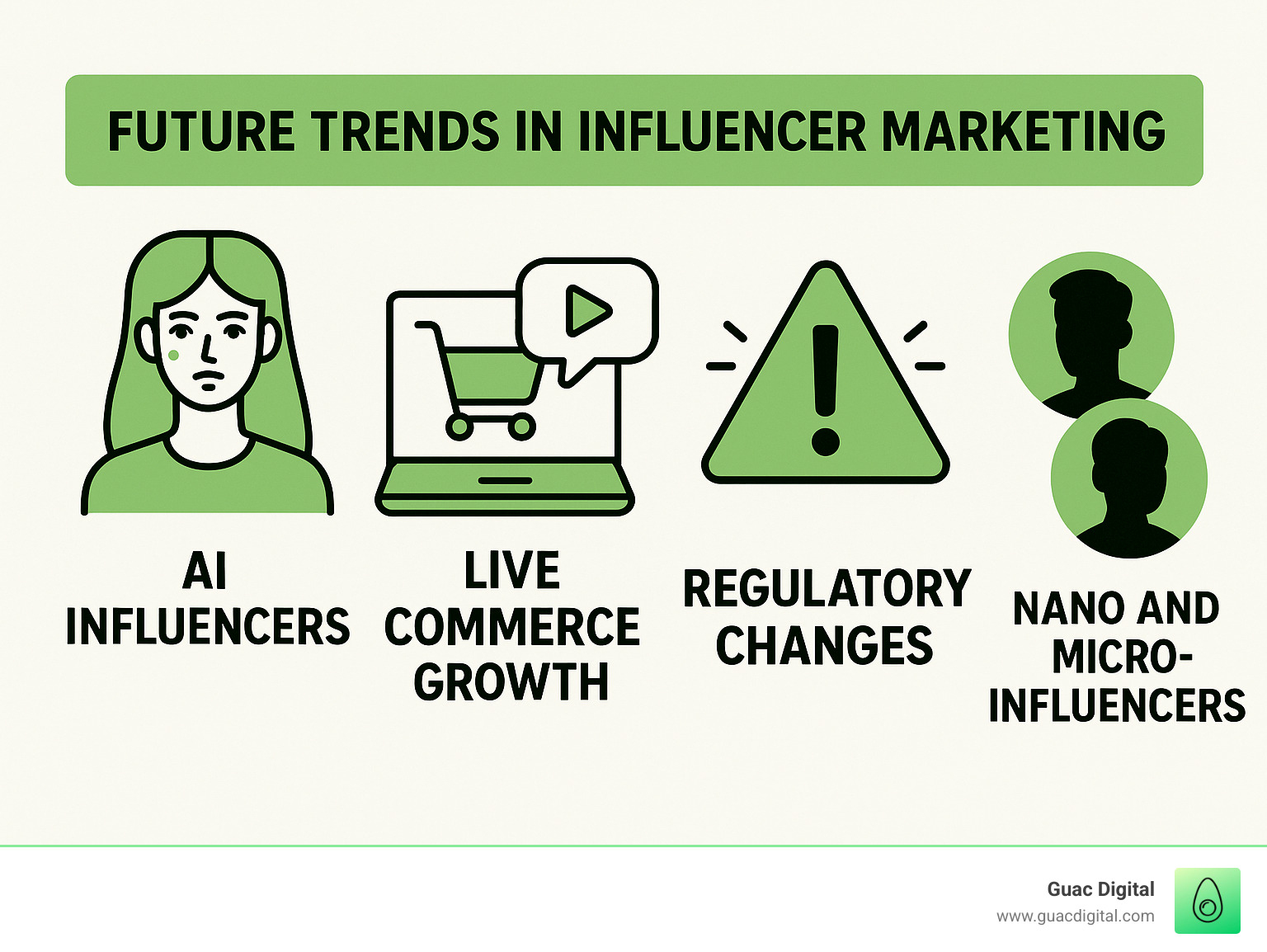
The industry is evolving rapidly, and staying ahead of trends separates successful agencies from those that fade away. AI-generated virtual influencers are gaining serious brand adoption, especially in fashion and beauty sectors where consistency matters more than relatability.
Live commerce integration is exploding, with platforms enabling real-time purchasing during influencer streams. This trend bridges the gap between content and conversion in ways we’ve never seen before.
The micro-creator boom continues accelerating as brands prioritize authentic engagement over massive reach. These creators often deliver better ROI than mega-influencers while building deeper audience connections.
Regulatory changes are coming too. Expect increased scrutiny around disclosure requirements, data privacy, and creator contract terms. Agencies that build compliant processes now will have significant advantages as regulations tighten.
Frequently Asked Questions about Starting an Influencer Marketing Agency
Starting an influencer marketing agency can feel overwhelming, especially when you’re navigating uncharted territory. These are the questions we hear most often from aspiring agency founders, based on real conversations with entrepreneurs who’ve taken the leap.
What skills and qualities do founders need most?
The most successful agency founders aren’t necessarily the ones with the biggest social media followings or the flashiest portfolios. They’re the ones who can build genuine relationships and solve problems creatively.
Negotiation skills top the list because you’ll spend half your time finding middle ground between creators who want creative freedom and brands who need specific messaging. Start small to build your confidence – even negotiating with a local nano-influencer teaches you the basics.
Clear communication prevents 90% of campaign disasters. When a beauty brand’s product launch hinges on your influencer posting at the right time with the right hashtags, there’s no room for confusion. Practice explaining complex campaign requirements in simple terms.
Data comfort matters more than you might think. You don’t need to be a statistician, but understanding engagement rates, reach metrics, and conversion tracking helps you optimize campaigns and prove ROI to skeptical clients.
Adaptability keeps you relevant when TikTok changes its algorithm overnight or Instagram launches a new feature that shifts creator strategies. The agencies that thrive are the ones that pivot quickly.
Most importantly, relationship building forms the foundation of everything else. This industry runs on trust – creators need to believe you’ll pay them fairly and on time, while brands need confidence that you’ll deliver results. Authenticity can’t be faked, and people sense it immediately.
How do influencer agencies make money?
How to start an influencer marketing agency becomes much clearer once you understand the money flow. Most agencies use one of four proven revenue models, often combining them as they grow.
The commission structure remains the industry standard – you take 20% of what influencers earn from campaigns you arrange. If a micro-influencer charges $500 for an Instagram post, you keep $100. This model aligns your success with campaign performance, which clients appreciate.
Monthly retainers provide steadier income once you prove your value. Clients pay $2,000 to $10,000+ monthly for ongoing strategy, creator management, and campaign execution. The predictable revenue helps with cash flow, but you need to consistently deliver results.
Project-based fees work well for product launches or seasonal campaigns. A holiday campaign might earn your agency $15,000 flat, regardless of individual influencer costs. This model requires accurate project scoping to maintain profitability.
Performance bonuses add extra revenue when campaigns exceed expectations. If your influencer campaign drives 50% more sales than projected, a bonus structure rewards that success.
Many established agencies combine retainers with reduced commissions – maybe 15% instead of 20% – creating win-win arrangements that provide revenue stability while maintaining performance incentives.
How long until an agency becomes profitable?
Most well-planned agencies reach profitability within 6 to 12 months, though several factors significantly impact this timeline.
Initial investment makes the biggest difference. Agencies that start with six months of operating expenses saved can focus on building relationships and delivering great campaigns instead of scrambling for immediate revenue. This breathing room often leads to better long-term decisions.
Niche specialization typically accelerates profitability. An agency focused exclusively on fitness influencers or B2B tech campaigns can charge premium rates and build expertise faster than generalist competitors. Clients pay more for specialized knowledge.
Founder experience in marketing, sales, or social media provides a significant head start. Understanding campaign strategy, client communication, and performance measurement reduces the learning curve considerably.
The current market conditions actually favor new agencies. With 60% of brands increasing their influencer budgets in 2024, there’s plenty of demand for quality services. The challenge isn’t finding clients – it’s delivering results that earn repeat business.
Revenue model choice affects profitability timing too. Retainer-based agencies often see profits sooner because monthly payments provide predictable income, while commission-only models depend on campaign volume and timing.
The key is starting lean, focusing on a specific niche, and reinvesting early profits into team building and better tools. Most successful founders we’ve worked with emphasize patience – building a sustainable agency takes time, but the long-term rewards make the initial challenges worthwhile.
Conclusion
Starting your journey on how to start an influencer marketing agency might feel overwhelming at first, but the opportunity in front of you is genuinely extraordinary. With the industry hitting $24 billion in spending and 60% of brands actively increasing their budgets, we’re looking at a market where demand is absolutely crushing supply.
The beauty of this business lies in its core simplicity: connecting authentic creators with brands that align with their values. But success comes from the details – building genuine relationships with creators, delivering rock-solid results that brands can measure, and staying ahead of the curve as platforms evolve faster than most people can keep up.
Your path forward starts with choosing a clear niche rather than trying to be everything to everyone. Whether that’s TikTok campaigns for local restaurants or LinkedIn influencers for B2B software companies, specialization is your friend. Then comes the foundation work – investing in the right tools, creating bulletproof processes, and always prioritizing long-term relationships over quick cash grabs.
At Guac Digital, we’ve seen how powerful data-driven marketing strategies can transform businesses. Our Tampa-based team has helped clients across the globe achieve results that frankly surprised even us – all through personalized digital campaigns that actually connect with real people. The same principles that drive our success apply directly to influencer marketing: understand your audience deeply, measure everything that matters, and never stop optimizing.
The influencer landscape will keep changing – new platforms will emerge, algorithms will shift, and creator preferences will evolve. But here’s what won’t change: authentic connections still drive real business results. People trust recommendations from creators they follow, and brands need partners who can steer this relationship-driven world effectively.
Your agency can absolutely capture a meaningful piece of this growing market by following the blueprint we’ve outlined and staying laser-focused on quality over quantity. The brands that will pay premium rates aren’t looking for the cheapest option – they want partners who understand their goals and can deliver measurable results.
Ready to turn this knowledge into action? Check out our full digital services to see how Guac Digital can support your agency launch or help scale your existing marketing initiatives. Whether you need strategic guidance, technical support, or just want to brainstorm with fellow marketing nerds, we’re here to help make your vision a reality.